Background to British Steel's Situation
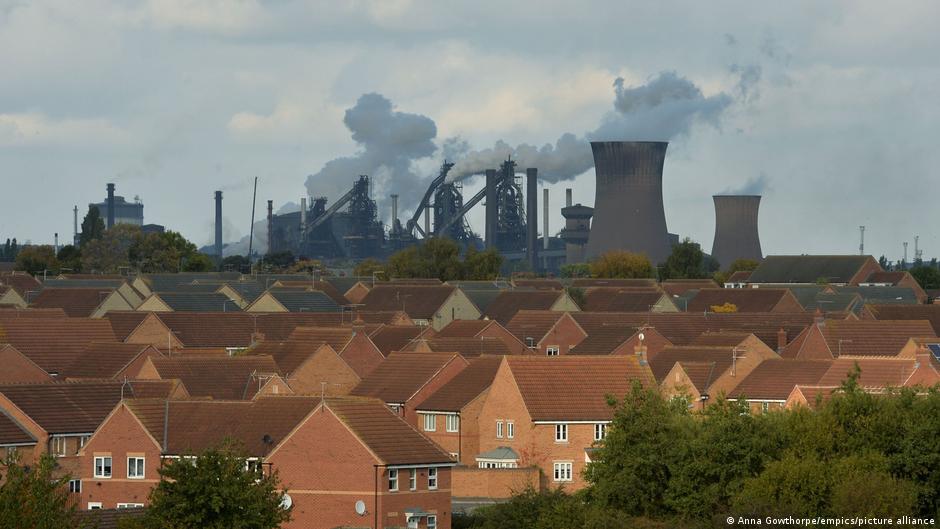
British Steel, a significant entity in the UK's industrial landscape, found itself under the direct control of the British government last year. This intervention was a strategic move aimed at preventing the collapse of the nation's final primary steelmaking facility. The decision underscored the critical importance of the steel industry to the UK's economic and strategic interests, particularly concerning national infrastructure and defense capabilities. The government's action was designed to stabilize operations, safeguard jobs, and ensure the continued production of steel, a foundational material for numerous sectors.
The company has a long and complex history, reflecting the broader narrative of industrial change in the United Kingdom. Over the decades, it has undergone various ownership changes and faced significant economic challenges, including global competition, fluctuating raw material prices, and the need for substantial capital investment to modernize facilities. The latest intervention by the UK government highlights the persistent difficulties faced by heavy industries in developed economies and the willingness of states to step in when key sectors are at risk.
Jingye Group's Acquisition and Subsequent Claims
In 2020, the Chinese industrial conglomerate, Jingye Group, acquired British Steel. This acquisition was seen as a lifeline for the struggling company at the time, promising investment and a path to financial stability. Jingye Group, a diversified company with interests in steel, mining, and chemicals, took on the responsibility of operating the Scunthorpe-based steelworks and other facilities, committing to a long-term plan for the business. The purchase was a high-profile transaction, drawing attention to foreign investment in critical UK industries.
Following the UK government's subsequent takeover, Jingye Group has initiated a claim for compensation. The precise grounds for this claim have not been extensively detailed in public statements, but it is understood to relate to the financial implications and operational changes resulting from the government's intervention. Such claims often involve disputes over asset valuation, lost profits, or the terms under which the original acquisition was made and subsequently impacted by state action. The legal process for resolving such disputes can be lengthy and complex, involving international commercial law and potentially arbitration.
Implications of State Intervention in Key Industries
The British government's decision to take control of British Steel underscores a broader trend seen in various countries where governments intervene to protect strategically important industries. This can be motivated by concerns over national security, job preservation, or the maintenance of critical industrial capabilities. While such interventions can provide immediate stability, they often raise questions about the role of the state in the economy, fair competition, and the rights of private investors.
From an economic perspective, state control can prevent immediate job losses and maintain production capacity, which can be vital during times of economic uncertainty or national emergency. However, it can also lead to debates about efficiency, innovation, and whether state-owned enterprises can compete effectively in global markets without the pressures of private ownership. The balance between protecting national interests and upholding market principles is a constant challenge for policymakers.
International Investment and Regulatory Frameworks
This situation also brings to the forefront the complexities surrounding international investment and the regulatory frameworks that govern it. When foreign entities invest in domestic industries, they operate under the legal and political conditions of the host country. Changes in these conditions, particularly state interventions, can lead to disputes and claims for compensation. Such cases often test the robustness of international investment treaties and the dispute resolution mechanisms established to handle them.
For Jingye Group, the claim for damages is likely an attempt to recover financial losses or perceived unfair treatment resulting from the government's actions. For the UK government, the priority is to ensure the continued operation of British Steel while navigating the legal and financial ramifications of its intervention. The outcome of this claim could set precedents for future interactions between international investors and national governments in the UK and beyond, particularly in sectors deemed critical for national interest.
The ongoing situation with British Steel and Jingye Group highlights the delicate balance between national industrial policy, private investment, and international commercial law. The resolution of this compensation claim will be closely watched by industrial stakeholders and legal experts alike, offering insights into the evolving landscape of global commerce and state intervention.
Source: DW.com