Proposed Street Segregation in Bnei Brak Sparks Controversy
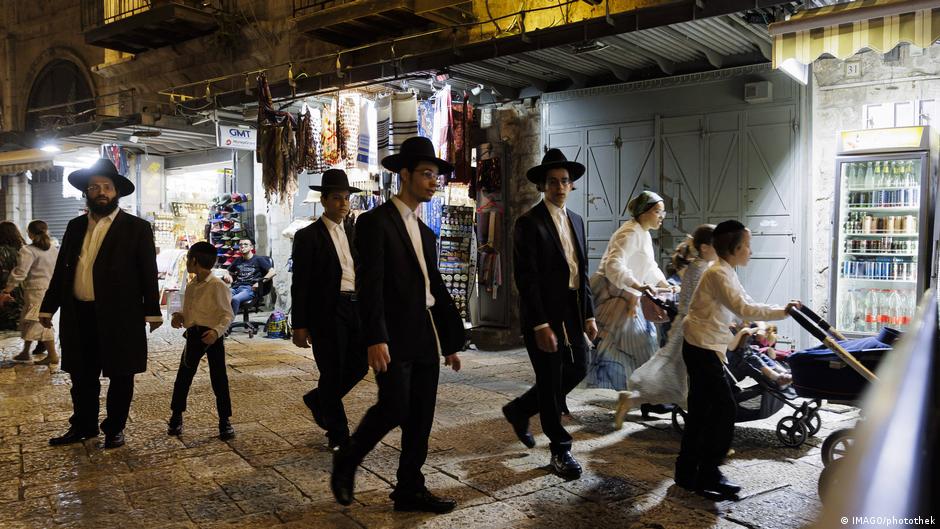
The city of Bnei Brak, a prominent center for ultra-Orthodox Judaism in Israel, recently became the focal point of a national discussion regarding gender segregation in public spaces. Reports emerged indicating that the municipal authorities had initiated efforts to physically separate male and female pedestrians on certain streets. This involved the widening of sidewalks, the installation of barriers, and the erection of signs, which, if completed, would have established Bnei Brak as the first Israeli city to implement gender-segregated streets.
The specific area targeted for this segregation was Shlomo HaMelech Street, a seemingly ordinary thoroughfare lined with residential buildings. The proposal stemmed from the presence of banquet halls in the neighborhood, frequently used for weddings. Local rabbis reportedly advocated for the segregation to allow guests to arrive at these events already separated by gender. However, the work was reportedly halted following significant public outcry, and signs that had already been put in place were subsequently removed.
Critics expressed alarm that the Bnei Brak initiative could establish a precedent, potentially emboldening more hardline Orthodox factions within Israeli society, particularly with an upcoming election on the horizon. The use of taxpayer money to enforce gender separation in public, ostensibly neutral, spaces was a key point of contention. While initial reports suggested the city administrators had backed down, they indicated a willingness to temporarily reconfigure streets for large events, suggesting the underlying issue remains.
Historical Context and Legal Challenges to Gender Segregation
Gender segregation is not an unfamiliar concept within certain branches of Judaism. Orthodox synagogues typically feature separate sections for men and women, and some conservative practitioners maintain a strict avoidance of physical contact with members of the opposite sex, even in casual greetings. Similarly, at religious ceremonies and weddings, Orthodox Jewish men and women often sit in separate areas.
However, attempts to impose such segregation in the public sphere have frequently been challenged in Israel's Supreme Court. A significant ruling in 2011 prohibited mandatory segregation on public buses, even those serving predominantly conservative neighborhoods, and explicitly forbade pressuring women to sit in the back of the bus. In a 2017 case, the Supreme Court ordered the city of Beit Shemesh to remove so-called "decency signs" that dictated female dress codes and advised women to avoid specific sidewalks near religious schools. Despite the court's order, the removal of these signs was slow, and religious extremists repeatedly reinstated them. Opponents of the Bnei Brak proposal are now looking to the Supreme Court, having filed an urgent appeal in hopes of a similar intervention.
Knesset Approves Gender-Segregated University Programs
Concurrently with the Bnei Brak controversy, the Israeli Knesset recently passed a law permitting universities and colleges to offer segregated master's and doctoral degree programs. This expansion builds upon existing permissions for gender-separated bachelor's courses, which were initially introduced to facilitate the integration of more Orthodox students into tertiary education and to provide educational opportunities for conservative women who might otherwise not pursue higher studies.
Proponents argue that the new legislation, which allows for gender-separated higher degree programs, will operate on a voluntary basis and is not intended to promote segregation outside of classroom settings. However, universities expressed concerns prior to the vote, arguing that such a policy could potentially compromise academic standards, particularly in fields like medicine and health. They also raised fears that it might inadvertently hinder women's access to highly specialized professions.
Shifting Demographics and Political Ramifications
These debates unfold against a backdrop of shifting demographics within Israel. The country has observed a growing influence of more conservative Jewish groups, partly attributed to higher birth rates within Orthodox Jewish families compared to non-Orthodox families. This demographic shift translates into increased political pressure. While Israel's foundational principles guarantee equality for all citizens irrespective of gender, the country's founders also committed to upholding certain religious rules prioritized by more conservative Jewish communities, creating a complex legal and social landscape.
The Knesset's decision on university segregation was among the final votes taken during its recent session before dissolution for the upcoming general election on October 27. Other controversial legislative actions during this period included limiting the prosecutor general's powers over the government, a law that critics argue increases government influence over media, and a measure that designated the study of the Torah as a "foundational value" of the country's constitution. The latter was widely seen as an attempt by conservatives to provide a legal basis for exempting Orthodox men from military service, a long-standing and divisive issue in Israeli society. These fundamental debates concerning the character of Israeli society are anticipated to significantly impact the upcoming election.
Source: Segregation in Israel: Separate streets for men and women?