Germany's Municipalities Confront Mounting Debt
Many German cities and towns are currently facing significant financial challenges, with a notable concentration of distress in the Ruhr Valley. This region, once the industrial heartland of Germany, is now experiencing the compounded effects of reduced tax income and an increasing burden from social spending. Oberhausen stands out as one of the most heavily indebted cities, emblematic of a broader national trend.
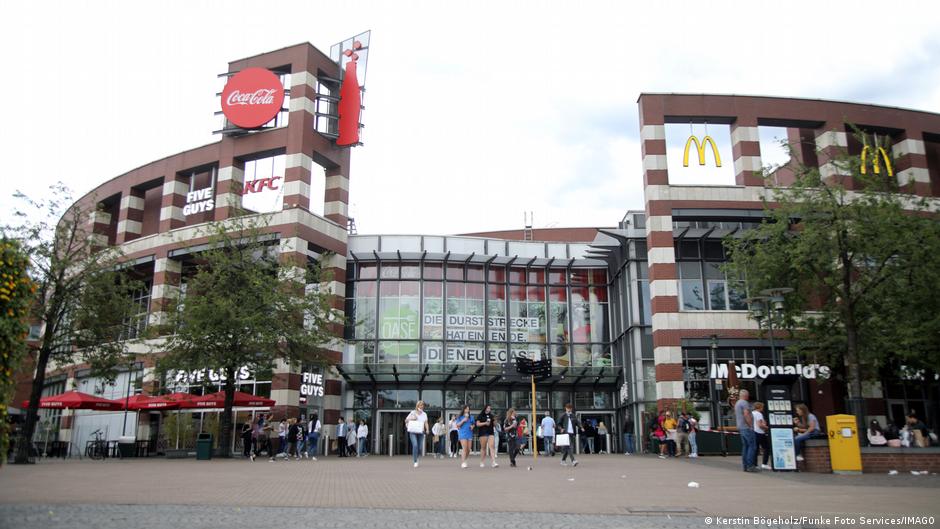
The city of Oberhausen, despite its modern attractions like the Centro shopping complex, which houses 250 stores and restaurants, a marina, and Germany's largest Sea Life Aquarium, struggles to balance its books. This complex, developed on the site of former steelworks that once employed 32,000 individuals, has successfully generated a comparable number of jobs, albeit predominantly in the lower-paying service sector. According to Oberhausen City Treasurer Apostolos Tsalastras, this shift has contributed to the city's average income being among the lowest in Germany, directly impacting its overall economic output.
The Legacy of Industrial Decline
The Ruhr Valley's economic landscape was profoundly shaped by the 19th-century industrial revolution, powered by coal, which played a crucial role in Germany's wartime production efforts. Following both World Wars, the region saw its factories initially dismantled and then rebuilt, fueling Germany's post-war economic resurgence in the 1950s. However, the 1970s marked the beginning of a severe crisis, characterized by inflation and overcapacity, leading to a dramatic decline in steel production, widespread plant closures, and persistent structural unemployment.
While some remnants of the steel industry, such as a company producing turbines for ships and power plants, still exist in Oberhausen, their scale is dwarfed by the region's former industrial might. Tsalastras emphasizes that the structural economic issues stemming from the decline of the coal and steel industries have created a long-term financial strain. He states, "We have no reserves, no capital investments we can liquidate, no assets we can sell, and so on. We've been saving for 40 years; we've already sold everything: We have nothing left." This dire situation places Oberhausen among the cities with the highest debt levels nationwide.
Escalating Social Expenditures
Mayor Thorsten Berg of Oberhausen highlights the primary drivers of the city's financial woes: significant payments towards youth welfare and long-term care. He explains that municipalities are mandated to cover these costs by federal and state decisions, yet they do not receive adequate funding to do so. For instance, cities are required to pay housing costs for welfare recipients and provide social assistance for individuals with disabilities. In Oberhausen, approximately 50% of the city's budget is allocated to social services.
The costs associated with long-term care are steadily rising as an increasing number of elderly individuals cannot afford nursing home care, forcing the city to intervene. Similarly, expenditures for youth welfare have surged, largely due to a growing need to remove children and adolescents from challenging family environments, often linked to parental or child mental health issues. Tsalastras also notes that while the COVID-19 pandemic had an impact, the influence of social media on youth welfare cases is a particularly concerning development.
Revenue Shortfalls and Budgetary Constraints
The main revenue streams for municipalities include trade tax, property tax on land and real estate, and a 15% share of income tax. However, the ongoing economic downturn in Germany, which has persisted for approximately seven years, has significantly impacted these tax revenues. Tsalastras, who has managed Oberhausen's finances since 2010, reports that the city's annual budget of €1.2 billion faces a deficit of around €100 million. By the end of 2025, Oberhausen's accumulated debt reached €2 billion, though a cash injection from the North Rhine-Westphalia state government reduced it to €800 million.
Cultural programs have been consistently subjected to budget cuts. The renowned theater in Oberhausen operates with reduced funding annually, and its urgently needed renovation is being carried out while the theater remains open, with audience members even required to sit on the stage. To generate additional revenue, parking fees have been increased by 50%, and traffic enforcement has been intensified to collect more fines. The city administration also faces mandates for further cuts, including a planned 5% reduction in jobs, which will likely result in longer wait times for public services. Tsalastras acknowledges that while citizens find these measures difficult, they understand the lack of alternatives.
National Implications and Calls for Reform
The financial struggles of Oberhausen reflect a broader crisis affecting a growing number of Germany's approximately 10,700 municipalities. By 2025, local governments across Germany collectively accrued nearly €30 billion in new debt, pushing the total national municipal debt beyond €200 billion—a historic high. Projections indicate a similar level of new debt annually through 2028.
Mayor Berg warns of the potential democratic consequences of this financial strain, stating, "We can forget about all other efforts to safeguard our democracy if we don't ensure that people on the ground see that our state and our democratic system actually work." This concern resonates with national leaders, including Chancellor Friedrich Merz, who acknowledged the precarious financial situation of municipalities. At the end of June, an agreement was reached with state premiers to reorganize the distribution of public responsibilities. Merz stated that from September 1, new laws will adhere to the principle of "Whoever commissions the work pays for it," ensuring that municipalities and states receive appropriate remuneration for new mandates.
While Berg welcomes this decision, he emphasizes that it offers only limited relief as it does not address the fundamental financial imbalance. He argues that the federal government must provide direct financial support. Municipalities are advocating for an increased share of national tax revenue and complete debt relief. Berg likens the ongoing negotiations to collective bargaining, suggesting that persistent advocacy for the plight of municipalities will gradually lead to progress.
Source: Original Article