
Introduction to the Controversy
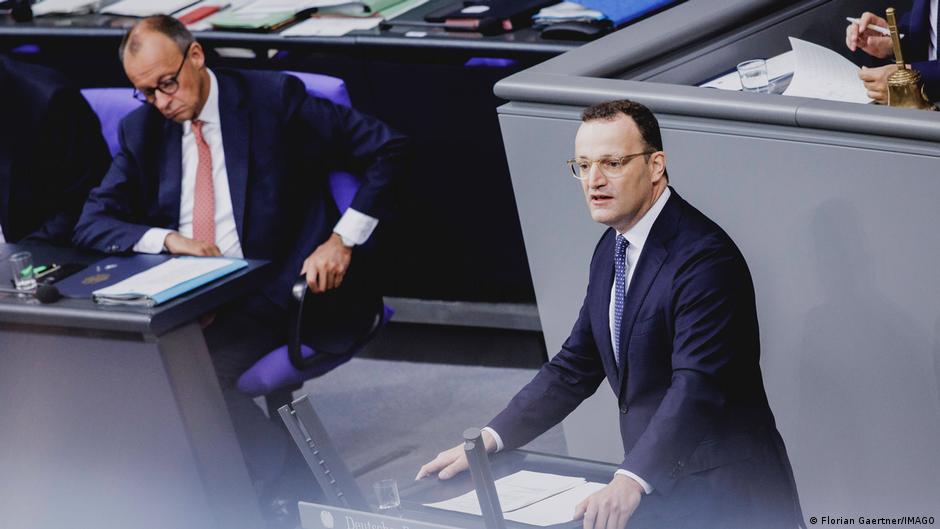
The announcement that Jens Spahn, a prominent figure within Germany's Christian Democratic Union (CDU) and a close associate of Chancellor Friedrich Merz, has had a child via a surrogate mother has initiated a broad public and political debate across the nation. This development is particularly noteworthy because Spahn, in his capacity as a legislator, has previously expressed opposition to the legalization of commercial surrogacy within Germany. The situation has led to his decision to step down from a significant political role, although the exact nature of this role or the direct causality of his resignation with the surrogacy issue is subject to interpretation and ongoing discussion.
The Legal and Ethical Landscape of Surrogacy in Germany
Germany currently maintains a stringent legal framework regarding surrogacy. The Embryo Protection Act of 1990 explicitly prohibits surrogacy arrangements, making it illegal for medical professionals to perform fertility treatments intended for a surrogate mother. Furthermore, any agreements made between commissioning parents and a surrogate mother within Germany are considered legally void. This legislative stance reflects deeply held ethical and societal concerns within the country, often centered on the potential exploitation of women, the commodification of children, and the complex psychological impacts on all parties involved. Proponents of the ban often emphasize the importance of protecting vulnerable individuals and upholding the dignity of human life.
Varying Perspectives on Surrogacy
The debate surrounding surrogacy in Germany is multifaceted, encompassing a wide range of viewpoints. Advocates for legalizing or at least allowing regulated surrogacy often highlight the desire of individuals and couples, including same-sex couples and those facing infertility, to build families. They argue that a regulated system could provide safeguards for surrogate mothers and intended parents, ensuring ethical practices and fair compensation. Conversely, critics frequently raise concerns about the potential for exploitation, particularly of women from economically disadvantaged backgrounds, who might be coerced into becoming surrogates. They also point to the ethical complexities of separating the biological act of giving birth from the legal and emotional aspects of parenthood.
Jens Spahn's Public Stance and Private Decision
Jens Spahn's prior public position on surrogacy has been a central element of the current controversy. As a politician, he has been on record opposing the legalization of surrogacy in Germany, aligning with the country's existing legal prohibitions. His personal decision to pursue surrogacy, reportedly abroad where it is legally permissible, has drawn scrutiny. Critics suggest a perceived inconsistency between his public policy stance and his private actions, leading to questions about the principles guiding his political decisions and his personal life. Supporters, however, might argue that personal family decisions, particularly those made within legal frameworks outside Germany, should be viewed separately from domestic policy debates, or that his personal experience might offer a new perspective on the issue.
Political Repercussions and Public Discourse
The discussion surrounding Spahn's family matter extends beyond mere legal or ethical considerations, delving into the realm of political integrity and public trust. For some, the situation raises questions about the transparency and consistency expected from public figures. For others, it underscores the challenges individuals face when personal desires intersect with complex and often restrictive legal frameworks. The incident has undoubtedly intensified the broader conversation about family planning, reproductive rights, and the evolving definition of family in contemporary German society. It has also prompted reflections on the role of politicians in shaping laws that may not align with their personal circumstances.
The Broader Implications for German Society
This episode is likely to have lasting implications for the ongoing debate about surrogacy in Germany. It may stimulate renewed calls for a review of existing legislation, with various political factions and interest groups re-evaluating their positions. The discussion is not limited to legal reform but also encompasses societal attitudes towards reproductive technologies, international surrogacy arrangements, and the rights and responsibilities of all parties involved. As Germany continues to grapple with demographic changes and evolving social norms, the Spahn case serves as a stark reminder of the deeply personal yet politically charged nature of family formation in the 21st century. The outcome of these discussions could potentially influence future legislative efforts and public opinion on a range of bioethical issues.
Source: DW.com