A Display of Franco-German Alignment
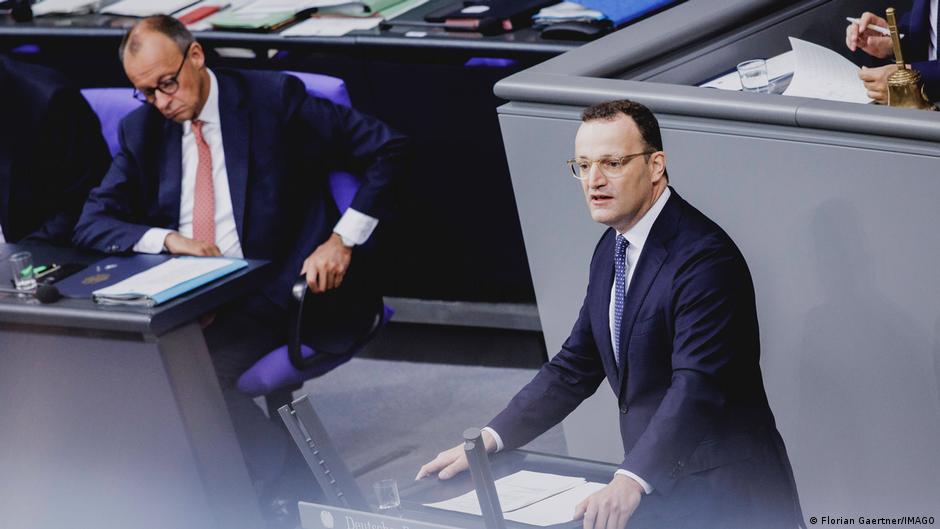
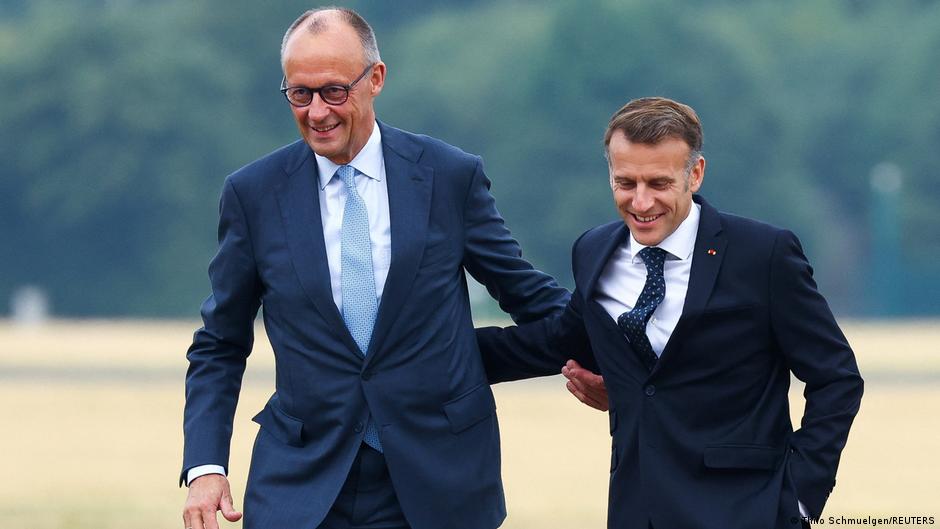
In a recent series of engagements, Friedrich Merz, leader of Germany's Christian Democratic Union (CDU), and French President Emmanuel Macron emphasized their shared vision and commitment to Franco-German cooperation. Their interactions, carefully orchestrated and publicly highlighted, appeared to underscore a desire for strong bilateral relations, particularly as the European political landscape continues to evolve.
The visible camaraderie between Merz and Macron during their recent meetings has drawn considerable attention from political observers. While such diplomatic gestures are not uncommon, the timing and intensity of their joint appearances have led to speculation regarding underlying strategic motivations. The Franco-German axis has long been considered a foundational element of European integration, and any perceived strengthening of this relationship, especially between leaders from different political spectrums, is often analyzed for its broader implications.
The Context of European Politics
The display of unity between the German opposition leader and the French President occurs within a broader European context marked by increasing political fluidity. National elections across the continent have, in recent years, seen a rise in support for parties advocating for more nationalistic or eurosceptic policies. This trend has prompted established political figures to re-evaluate their approaches to international cooperation and alliance-building.
For many, the close alignment between Merz and Macron could be interpreted as a proactive measure to reinforce the traditional pro-European consensus. By demonstrating a common front, regardless of their respective domestic political affiliations, leaders aim to project stability and continuity in core European policies. This is particularly pertinent in an era where the future direction of the European Union is a frequent subject of debate and scrutiny.
Anticipating Future Political Shifts
A significant factor speculated to be influencing the recent interactions between Merz and Macron is the anticipation of future political developments, particularly in France. The upcoming French presidential election, though still some time away, is already a topic of considerable discussion. The potential for a shift in leadership, especially towards figures perceived as less aligned with current European integration efforts, is a scenario that undoubtedly occupies the thoughts of many European leaders.
Marine Le Pen, a prominent figure in French politics and leader of the National Rally party, has consistently presented a platform that challenges many aspects of current French and European policy. Her past electoral performances and continued presence as a significant political force mean that her potential future role is a constant consideration in strategic planning across Europe. The actions of leaders like Merz and Macron might, therefore, be seen as an effort to solidify partnerships and reaffirm shared values in anticipation of such political contingencies.
The Role of Opposition in International Relations
The engagement of a leading opposition figure like Friedrich Merz in high-profile international diplomacy alongside a sitting head of state is noteworthy. While opposition leaders often travel and meet with foreign dignitaries, the extent of the visible alignment with President Macron goes beyond routine diplomatic courtesy. This suggests a recognition, on both sides, of the importance of projecting a unified national and European stance on critical issues, irrespective of internal political divisions.
For Merz, these interactions offer an opportunity to demonstrate his readiness for national leadership and his commitment to Germany's international responsibilities. For Macron, engaging with a potential future German Chancellor provides a channel for continuity in Franco-German relations, irrespective of the outcome of Germany's next federal election. This pragmatic approach highlights the enduring importance of the Franco-German relationship as a cornerstone of European stability.
Broader Implications for European Policy
The emphasis on Franco-German harmony also carries broader implications for European policy. A strong and coordinated stance between Paris and Berlin is often crucial for driving key European initiatives, whether in economic policy, defense, or environmental action. Any perceived weakening of this axis could lead to difficulties in achieving consensus within the EU.
Therefore, the recent demonstrations of unity by Merz and Macron can be viewed as a strategic investment in the future of European cooperation. By signaling a shared commitment to core European principles and a willingness to work together across political divides, they aim to bolster confidence in the Franco-German partnership as a reliable engine for the European project, even amidst potential domestic political changes in member states.