Chancellor Merz Affirms Government Stability Amidst Public Scrutiny
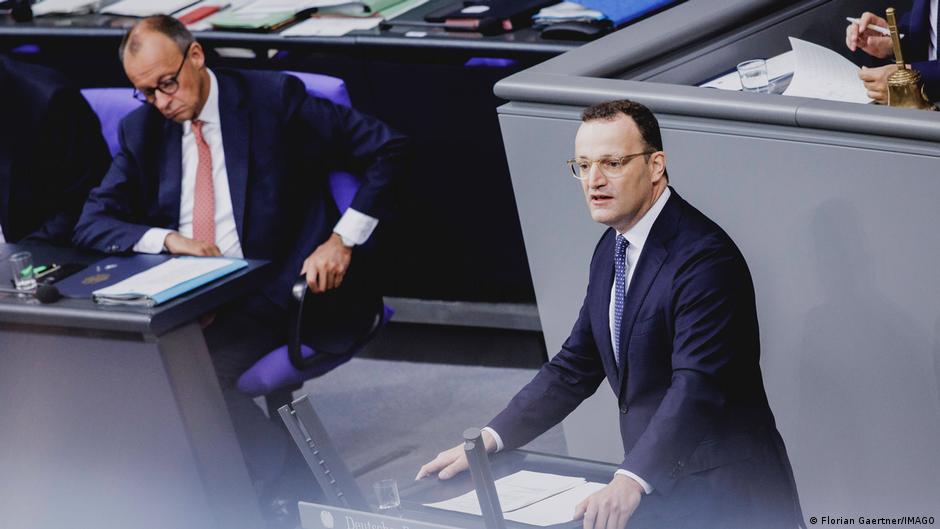
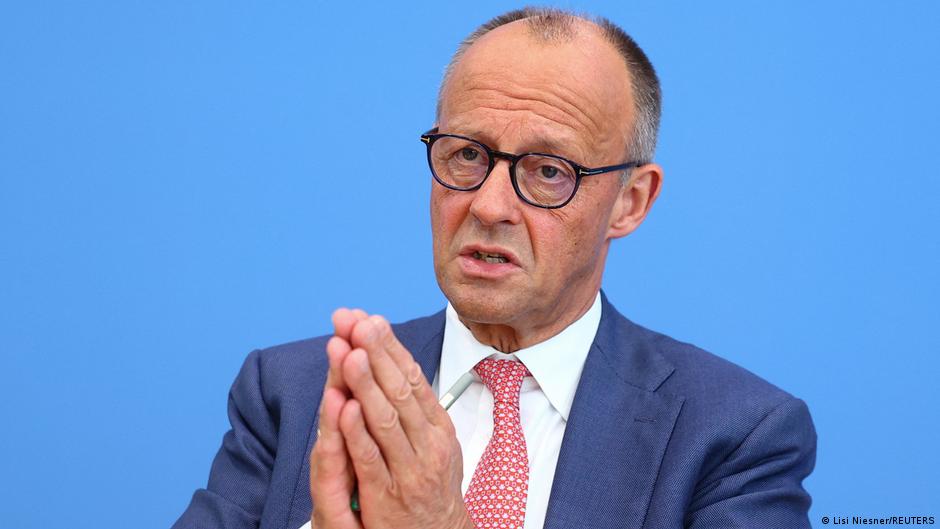
German Chancellor Friedrich Merz recently convened his annual summer press conference in Berlin, an event traditionally marking the period before the parliamentary recess. Despite public opinion polls indicating a satisfaction rate of merely 13% to 20% with his coalition government, composed of conservatives and Social Democrats, Merz presented a confident demeanor. He asserted that his administration had successfully 'found its footing' and delivered positive outcomes, stating, 'The federal government has found its rhythm, despite some criticism. We've delivered.'
Merz detailed several reform initiatives, currently awaiting parliamentary approval, spanning pensions, healthcare, and taxation. Notably, he highlighted changes to the pension system, which would for the first time allocate a portion of retirement funds towards investments. He remarked on the delayed nature of this reform, noting, 'We should have done this 30 years ago, just like the Swedes, the Danes, the Dutch and many others around the world who did it long ago. But at least we're starting now,' underscoring a perceived necessity for modernization within Germany's social security framework.
Addressing the Rise of the Far-Right AfD
A significant portion of the press conference revolved around questions concerning the Alternative for Germany (AfD) party, which the German domestic intelligence agency has partly characterized as far-right extremist. The AfD currently enjoys a lead in pre-election polls for two upcoming state elections in eastern Germany scheduled for September.
Initially sidestepping inquiries about the AfD's growing influence, Chancellor Merz eventually issued a direct appeal to voters in Saxony-Anhalt and Mecklenburg-Western Pomerania. He urged them to critically evaluate information, particularly from social media, and to consider the federal government's policy objectives. Responding to a question from a Dutch journalist, Merz acknowledged the gravity of right-wing extremists potentially gaining power in Germany, given the nation's historical context. Despite the challenging poll numbers, he expressed confidence in the upcoming elections, stating, 'The election campaigns are just getting underway. I am confident that we will succeed in preventing the AfD from securing a majority of seats in the state legislatures of the three states — especially in Saxony-Anhalt and Mecklenburg-Western Pomerania.'
International Relations and Economic Concerns
The Chancellor also addressed international matters, including a report about a potential $5 million grant program by the US State Department aimed at supporting MAGA-aligned groups in Europe, possibly including those associated with the AfD. Merz firmly stated Germany's non-interference policy in US elections and expressed an expectation of reciprocity. He further emphasized the illegality of foreign financing for political parties in Germany, underscoring national sovereignty in electoral processes.
Domestically, Merz acknowledged ongoing challenges such as infrastructure decay, societal polarization, and a sluggish economy. While admitting that the country's economic standing was not yet where he desired, he stressed the need to restore Germany's competitiveness. In an indirect reference to former US President Donald Trump, Merz commented that the US government's tariff policies had 'harmed' the German economy, highlighting the impact of international trade relations on national prosperity.
EU Expansion and Credibility
Regarding European Union affairs, Merz reiterated his controversial stance on Ukraine's EU accession, proposing an initial grant of associate membership without voting rights. He argued for honesty with Ukraine, explaining that the path to full membership is complex, and advocated for 'small but steady steps.' Merz pointed out that the EU has not admitted new members in 13 years, despite numerous promises to prospective candidates including five Western Balkan states, Moldova, and Ukraine. He stressed that maintaining the EU's credibility through sincere actions is crucial to retaining these countries' trust and engagement.
Moments of Self-Reflection
In a rare moment of self-criticism, Merz reflected on a past electoral promise to avoid new debt, which was subsequently followed by a significant debt package to fund military rearmament, climate protection, and infrastructure development. He conceded that this reversal had become a 'significant burden on my personal credibility.' However, this introspection was brief, as he concluded by reaffirming his coalition's commitment to governing with stability and resolve.
Source: Original Article