
Addressing the Global Water Challenge
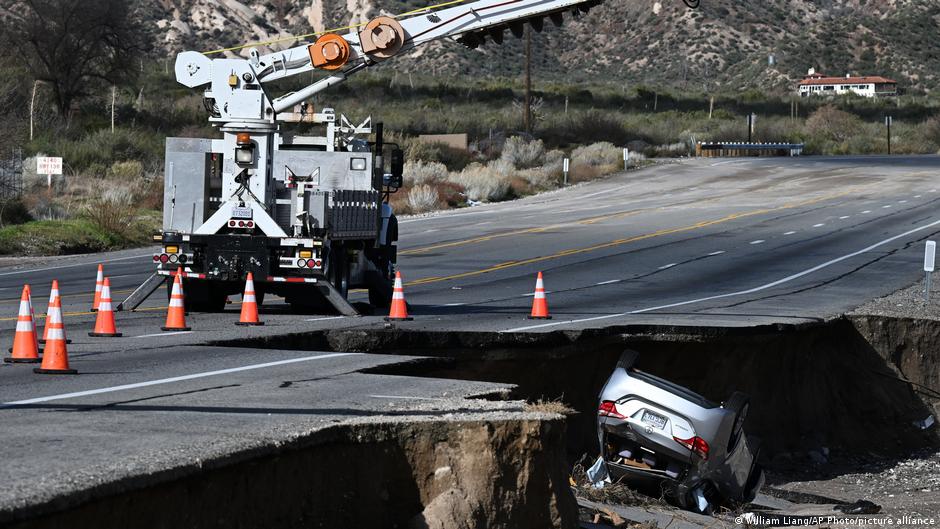
The increasing frequency and intensity of extreme weather events, driven by climate change, are presenting significant challenges to water resources worldwide. Regions are experiencing prolonged droughts that deplete surface water supplies, while other areas are grappling with severe flooding caused by torrential downpours. This fluctuating hydrological cycle underscores an urgent need for adaptive water management strategies. One approach gaining considerable attention is the enhanced utilization and storage of groundwater, which offers a promising pathway to bolster water security and mitigate the impacts of climatic variability.
The Role of Groundwater in a Changing Climate
Groundwater, stored in aquifers beneath the Earth's surface, represents a vast and often underutilized freshwater reservoir. Traditionally, groundwater has served as a critical resource, particularly in arid and semi-arid regions. However, its potential extends beyond mere extraction for consumption. Modern water management paradigms are increasingly focusing on actively replenishing and managing these underground reserves to create a buffer against hydrological extremes.
During periods of abundant rainfall or snowmelt, excess surface water can be intentionally directed into aquifers through various methods. This process, known as Managed Aquifer Recharge (MAR), essentially transforms underground geological formations into natural reservoirs. Unlike surface dams and reservoirs, which are susceptible to evaporation and contamination, underground storage minimizes water loss and maintains higher water quality. This stored water can then be strategically withdrawn during dry seasons or drought conditions, ensuring a continuous supply for agricultural, industrial, and domestic needs.
Innovative Recharge Techniques
Several techniques are employed for Managed Aquifer Recharge, each suited to different geological and hydrological contexts. One common method involves infiltration basins, where water is spread over a permeable area, allowing it to slowly seep into the ground and recharge the aquifer. Another technique uses injection wells, which directly pump water into deeper aquifers, particularly effective in areas with less permeable surface layers or where land availability for basins is limited.
Furthermore, innovative approaches are being explored, such as modifying agricultural practices to encourage greater soil infiltration, restoring wetlands that naturally recharge groundwater, and integrating urban stormwater management with aquifer replenishment. The selection of the most appropriate MAR technique depends on a comprehensive understanding of local geology, water quality, and economic considerations.
Mitigating Flood Risks
Beyond securing water supplies for dry periods, groundwater storage also plays a crucial role in mitigating the impacts of extreme rainfall events. When heavy precipitation occurs, the ground often becomes saturated, leading to surface runoff and increased flood risk. By proactively recharging aquifers during wetter seasons, the storage capacity of the ground is increased, allowing it to absorb more water during subsequent heavy rainfall events. This effectively reduces surface runoff, diminishes the volume of water flowing into rivers and urban drainage systems, and consequently lowers the risk of flooding.
This dual benefit of groundwater management – enhancing water availability during scarcity and reducing flood risk during abundance – positions it as a cornerstone of resilient water infrastructure. It provides a natural, often cost-effective, and environmentally sustainable alternative or complement to traditional surface water storage solutions.
Challenges and Future Outlook
Despite its numerous advantages, the implementation of widespread groundwater management faces several challenges. These include the initial investment costs for infrastructure, the need for detailed hydrogeological assessments to identify suitable recharge sites, potential concerns regarding water quality if contaminated surface water is used for recharge, and the complexities of legal and regulatory frameworks governing groundwater use.
However, ongoing research and technological advancements are continually addressing these hurdles. Improved monitoring technologies, advanced hydrological modeling, and integrated water resource management strategies are enhancing the efficiency and sustainability of MAR projects. As climate change continues to reshape global water patterns, investing in robust groundwater management practices will be essential for ensuring long-term water security and building resilience against an unpredictable future.
The proactive management of groundwater is not merely about finding a solution to water scarcity; it is about fostering a more sustainable relationship with our planet's most vital resource, ensuring its availability for future generations while adapting to the realities of a changing climate.
Source: DW.com