
Pirates: A Timeless Fascination
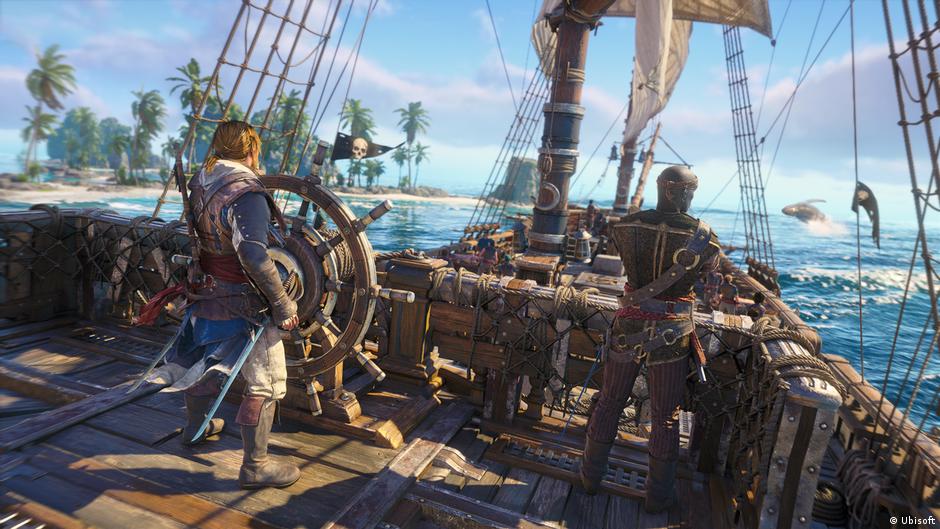
The image of the pirate, with their swashbuckling adventures and rebellious spirit, has held a consistent grip on the public imagination across various forms of media. This fascination is once again evident with the release of 'Assassin's Creed Black Flag Resynced,' inviting a new generation of gamers to immerse themselves in the high seas and intricate narratives associated with these historical figures. But what is it about pirates that continues to resonate so deeply, and how has popular culture molded our understanding of them over time?
Historical Roots of the Pirate Mythos
The historical reality of pirates was often harsh, characterized by brutality, economic desperation, and a short, dangerous life at sea. Yet, even during their heyday, tales of their daring exploits began to filter into public consciousness, often embellished and romanticized. Figures like Blackbeard and Captain Kidd became legends, their names synonymous with both terror and a certain anti-establishment freedom. These early narratives, spread through oral tradition, broadsides, and pamphlets, laid the groundwork for the enduring pirate myth. They painted a picture of individuals who operated outside the rigid social structures of their time, challenging authority and forging their own rules, a concept that has always held a certain appeal.
The Golden Age of Pirate Fiction
The 19th century marked a significant turning point in the popular portrayal of pirates, largely thanks to authors like Robert Louis Stevenson. His seminal novel, 'Treasure Island' (1883), solidified many of the iconic pirate tropes that persist today: treasure maps, one-legged captains, parrots on shoulders, and hidden riches. Stevenson's work, along with others of its era, transformed pirates from mere criminals into adventurous, albeit morally ambiguous, protagonists. This period saw the birth of the romanticized pirate, a figure of adventure and escapism rather than pure villainy. These stories often downplayed the grittier aspects of piracy, focusing instead on the thrill of the chase, the allure of untold wealth, and the camaraderie (or betrayal) among the crew.
Pirates in the Modern Era: From Silver Screen to Digital Worlds
The 20th century brought pirates to the silver screen, further cementing their place in popular culture. Classic films like 'Captain Blood' (1935) and 'The Black Swan' (1942) continued the tradition of the dashing, heroic pirate, often fighting against tyrannical forces or for personal freedom. These cinematic portrayals, with their elaborate costumes, dramatic sword fights, and sweeping sea battles, elevated the pirate to an almost mythological status. The 21st century has seen a resurgence of pirate narratives, notably with the 'Pirates of the Caribbean' film series. These films blend historical elements with fantastical lore, reintroducing pirates to a global audience with a mix of humor, action, and supernatural elements. They demonstrate the adaptability of the pirate archetype, capable of fitting into diverse storytelling frameworks.
Video games have also played a crucial role in evolving the pirate narrative. Titles like 'Sid Meier's Pirates!' allowed players to step directly into the shoes of a pirate captain, managing a crew, engaging in naval combat, and seeking treasure. The 'Assassin's Creed Black Flag' series, and its recent 'Resynced' iteration, pushes this immersion even further, offering expansive open-world environments, intricate historical details, and compelling storylines that explore the complexities of pirate life. These games often delve into the political and social contexts of piracy, presenting pirates not just as rogues, but as individuals shaped by their circumstances, sometimes even fighting for a form of justice or freedom against oppressive empires.
The Enduring Appeal: Freedom, Rebellion, and Adventure
The persistent appeal of pirates can be attributed to several factors. Fundamentally, they represent a rejection of societal norms and a yearning for freedom. In a world often constrained by rules and expectations, the idea of living by one's own code, sailing the open seas, and seeking fortune holds a powerful, almost primal, attraction. Pirates embody rebellion, a defiance against established power structures, which resonates with audiences who may feel similarly constrained. Moreover, the element of adventure—the exploration of unknown waters, the hunt for hidden treasures, and the thrill of danger—is a universal draw. These narratives offer an escape from the mundane, transporting audiences to a world of excitement and peril.
The evolution of pirates in popular culture reflects a continuous reinterpretation of historical figures through the lens of contemporary values and storytelling techniques. While the brutal realities of historical piracy are often softened or romanticized, the core themes of freedom, adventure, and rebellion remain central. As technology advances and new forms of media emerge, it is likely that the pirate, in some form or another, will continue to sail through our collective imagination, captivating audiences for centuries to come.
Source: Assassin's Creed: Why pop culture is hooked to pirates