Overview of the New Tariff Implementation
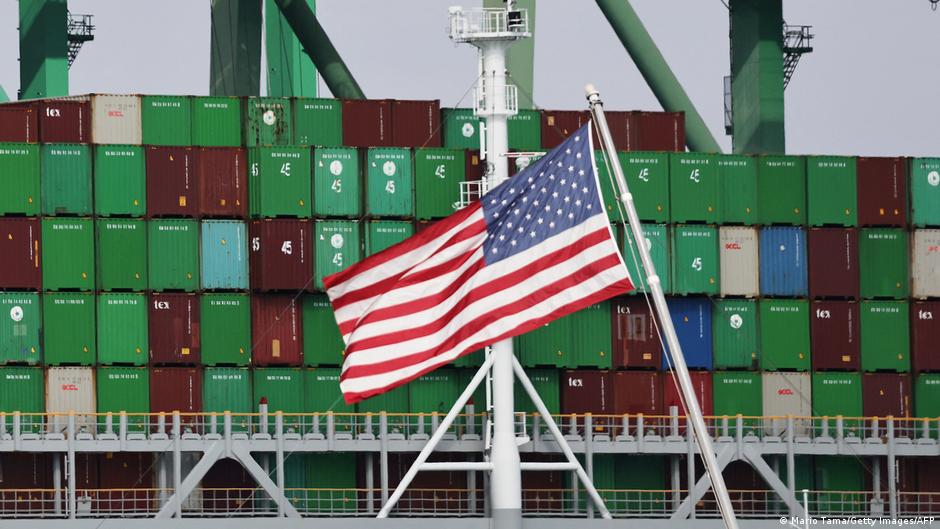
The United States government has announced its intention to levy a 25% tariff on the majority of imports originating from Brazil. This measure is slated to take effect later this month, representing a notable shift in trade relations between the two countries. This action comes as the initial step in a revised tariff strategy by the current U.S. administration, following a legal setback where the Supreme Court invalidated previous tariff implementations. The timing of this decision, particularly with a presidential election on the horizon, has drawn attention from economic and political analysts alike.
Background to the Tariff Decision
For several months, discussions and speculations have circulated regarding potential adjustments to U.S. trade policy. The administration's prior attempts to impose tariffs faced judicial challenges, culminating in a Supreme Court ruling that mandated a re-evaluation of its approach. This new tariff on Brazilian goods appears to be the administration's response, designed to align with legal precedents while still pursuing its trade objectives. The specific justifications for targeting Brazil with these new tariffs have been outlined by U.S. trade officials, pointing to concerns over various aspects of trade imbalances and market access.
Economic Implications for Brazil and the United States
The imposition of a 25% tariff is expected to have multi-faceted economic consequences for both Brazil and the United States. For Brazil, a significant exporter of agricultural products, raw materials, and certain manufactured goods to the U.S., the tariff could lead to a decrease in demand for its products due to increased costs for American consumers and businesses. This might compel Brazilian exporters to seek alternative markets or absorb a portion of the tariff, potentially impacting their profitability and the broader Brazilian economy. Sectors such as agriculture, steel, and automotive parts, which are prominent in Brazil's export portfolio to the U.S., are likely to experience direct effects.
In the United States, consumers might face higher prices for goods previously imported from Brazil, or they may see a shift towards domestically produced alternatives or imports from other countries. For American industries that rely on Brazilian components or raw materials, production costs could increase. Economists are currently analyzing the potential for supply chain disruptions and the extent to which these tariffs might influence inflation. The administration's stated aim is often to protect domestic industries and encourage local production, but the actual impact can be complex and varied across different sectors.
Political Context and Election Year Dynamics
The timing of this tariff announcement is particularly noteworthy given the approaching presidential election in the United States. Trade policy has frequently been a central theme in recent election cycles, with candidates often advocating for measures they believe will bolster domestic industries and employment. The current administration's decision to implement these tariffs could be interpreted as a move to appeal to specific voter bases that prioritize protectionist trade policies. However, it also carries the risk of inviting retaliatory measures from Brazil or other trading partners, which could complicate international relations and global trade dynamics.
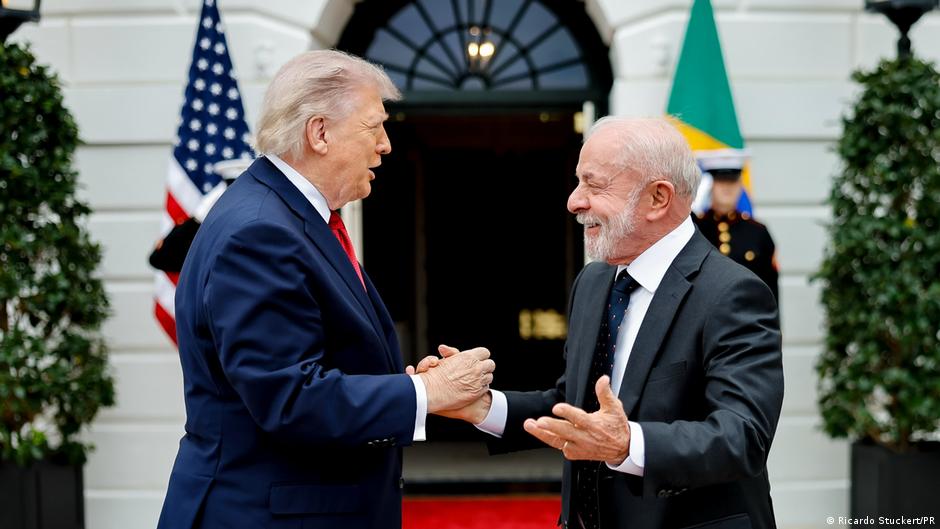
Brazilian officials have expressed their concerns and are reportedly evaluating their options, which could include engaging in negotiations with the U.S. or pursuing actions through international trade bodies like the World Trade Organization (WTO). The political landscape in Brazil itself is also a factor, as economic shifts caused by these tariffs could have domestic political repercussions. International reactions to the U.S. decision are being closely monitored, as similar trade actions in the past have often led to broader trade disputes involving multiple nations.
Looking Ahead: Potential Scenarios and Future Trade Relations
The implementation of these tariffs opens up several potential scenarios for future trade relations between the United States and Brazil. One possibility is that the tariffs serve as a leverage point for the U.S. to negotiate new trade agreements or concessions from Brazil. Another is that they could escalate into a more prolonged trade dispute, potentially involving other countries and leading to a fragmentation of global supply chains. The outcome will largely depend on the responses from both governments, the evolving economic conditions, and the results of the upcoming U.S. election.
Analysts will be watching closely to see how these tariffs impact various industries, consumer prices, and the overall trade balance. The long-term effects on bilateral trade volume and the strategic alliance between the two nations remain to be seen. The situation underscores the intricate relationship between domestic politics, international trade, and global economic stability, particularly in an era of heightened geopolitical competition and economic nationalism.
Source: DW.com