The Escalating Challenge of Urban Heat
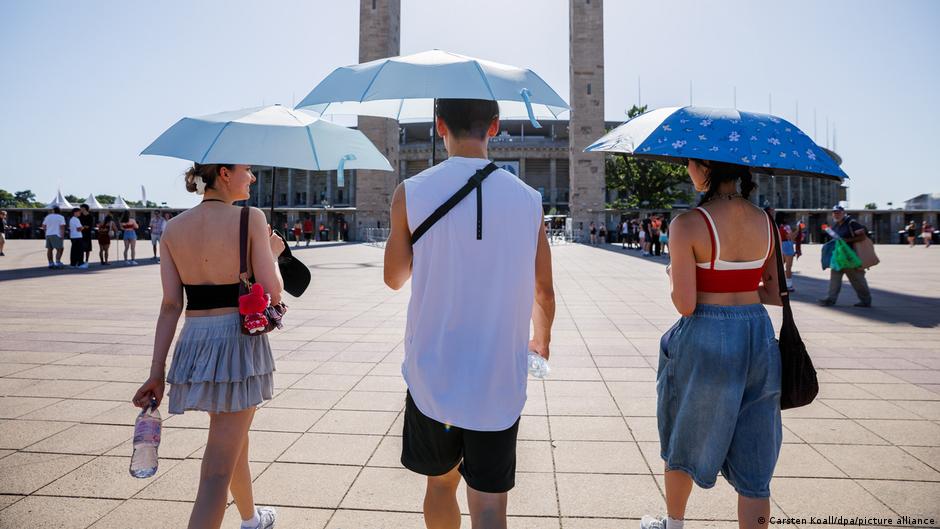
Cities globally are increasingly grappling with the severe impacts of intensifying heatwaves, a phenomenon exacerbated by climate change. Urban environments, characterized by extensive paved surfaces, dense construction, and limited natural spaces, often create 'heat islands' where temperatures can soar significantly higher than surrounding rural areas. This amplified heat places immense strain on critical city infrastructure, compromises public health, and disrupts daily life. According to United Nations figures, heat-related causes are responsible for nearly half a million deaths annually, underscoring the urgent need for effective adaptation strategies.
The World Health Organization's regional director for Europe, Hans Henri P. Kluge, highlighted the preventable nature of heat-related fatalities, stating, "Heat is a silent killer, but it is not an inevitable one. We have the tools. Now we must use them." This sentiment reflects a growing global consensus that while the challenge is substantial, actionable solutions exist and are being implemented across various urban centers.
Shifting Nature of Heat and Its Urban Impact
Leonardo Madeira Martins, a sustainability leader for Teresina, Brazil, points out that heat is no longer merely a climatic characteristic but has evolved into a complex urban, public health, economic, and socio-environmental issue. Despite Teresina's reputation for green spaces, the city frequently experiences temperatures exceeding 40 degrees Celsius (104 degrees Fahrenheit). Martins notes that this extreme heat adversely affects "urban mobility, sleep quality, productivity and the overall well-being" of the city's approximately 870,000 residents.
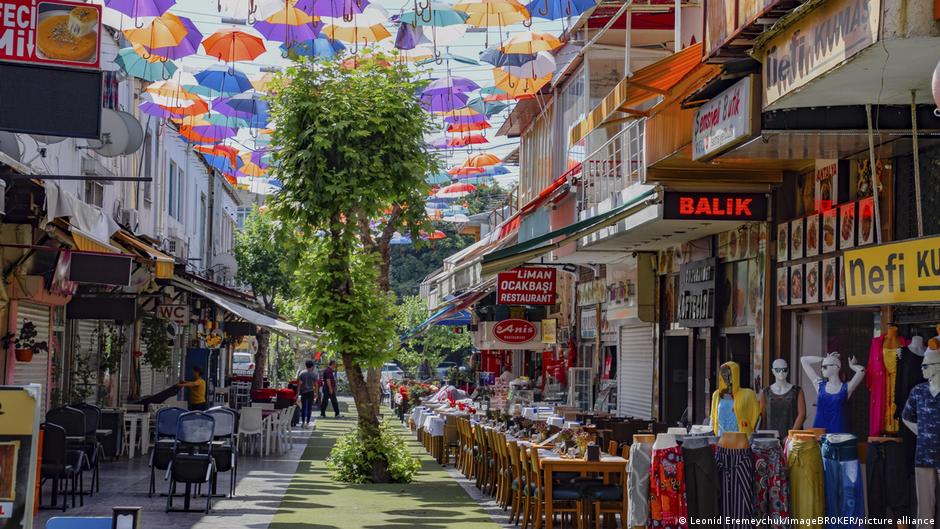
Similarly, in Antalya, Turkey, a city preparing to host the COP31 UN climate talks, residents and officials have observed a significant alteration in summer weather patterns. Melike Kireccibasi, a climate expert with the municipality, explained that while Antalya has always been hot, "the nature of the heat has changed." Heatwaves are now commencing earlier, persisting longer, and occurring more frequently. This trend is projected to "intensify significantly toward mid-century," particularly within the densely populated urban core, placing increasing pressure on the city's 2.6 million inhabitants, its health services, energy and water systems, and the millions of tourists it hosts each summer.
Protecting Vulnerable Populations and Adapting Infrastructure
One of the most critical aspects of urban heat adaptation involves safeguarding vulnerable groups, including children, the elderly, and individuals with pre-existing health conditions. While buildings offer some respite from extreme temperatures, prolonged heat, especially at night, can make it difficult for people to cool down, posing significant health risks. Antalya's strategy, according to Kireccibasi, focuses on both adapting existing buildings and reducing the overall need for cooling. An EU-supported heat risk assessment has identified the most exposed residents, guiding the city's efforts to implement better building designs that incorporate increased shade, reflective surfaces, and insulation features like green roofs. Other solutions include expanding public water points and enhancing energy efficiency, making cooling more economical, accessible, and less carbon-intensive.
In Teresina, Brazil, structural limitations and social inequality exacerbate the heat challenge. Martins highlights that not all families in a middle-income city have continuous access to air conditioning, creating a public health crisis, particularly in disadvantaged communities. These areas often feature homes with poor ventilation, inadequate roofing, and limited urban tree cover. A UN-supported research project in Teresina is providing insights into how extreme heat affects pregnant women and their babies in these communities, enabling the city to develop targeted strategies that include providing information and resources for managing heat during pregnancy. Teresina is also focusing on preserving and expanding its urban forests, wetlands, and green corridors to naturally absorb heat, alongside developing shaded community gardens and public spaces.
Technological Solutions and Community Engagement
Fortaleza, another Brazilian metropolis, has deployed a network of ten weather stations that deliver real-time data on temperature, UV index, and humidity in areas most susceptible to urban heat. Mayor Evandro Leitao stated that by making this information transparently available, the city aims to foster a shared understanding of heat risks and encourage collaborative solution development. Fortaleza is also targeting public schools, planning to install air conditioning systems by 2028, partly powered by solar energy, and reintroducing green spaces to schoolyards. Leitao emphasized that high temperatures directly impact students' well-being, concentration, and learning processes.
In Kilifi County, Kenya, a similar emphasis on education and community involvement is evident. Government-backed clubs in boarding schools and colleges teach students about planting and caring for shade trees to combat rampant deforestation. Wilfred Kenga Baya, energy director for the county, noted that this initiative aims to cultivate a generation knowledgeable in environmental conservation and heat mitigation. For remote areas with unreliable electricity, Kilifi County is prioritizing decentralized solar power systems. These reliable local networks power critical facilities like health centers and schools that were previously off Kenya's national grid. Baya observed a significant increase in renewable energy adoption, with residents switching to solar-powered fans and cookers, reducing reliance on polluting fossil fuels and strengthening lifeline services through resilient microgrids.