The 2016 Coup Attempt: A Turning Point in Turkish History
July 15, 2016, marks a watershed moment in the modern history of Turkey. On that evening, elements within the Turkish Armed Forces launched an attempted coup d'état, aiming to seize control of the government and depose the then-prime minister, now President, Recep Tayyip Erdogan. The attempt, which saw tanks on the streets, military jets flying over Ankara and Istanbul, and clashes between soldiers and civilians, ultimately failed. However, its reverberations have reshaped the Turkish state and society in ways that are still evident a decade later, influencing domestic policy, foreign relations, and the daily lives of its citizens.
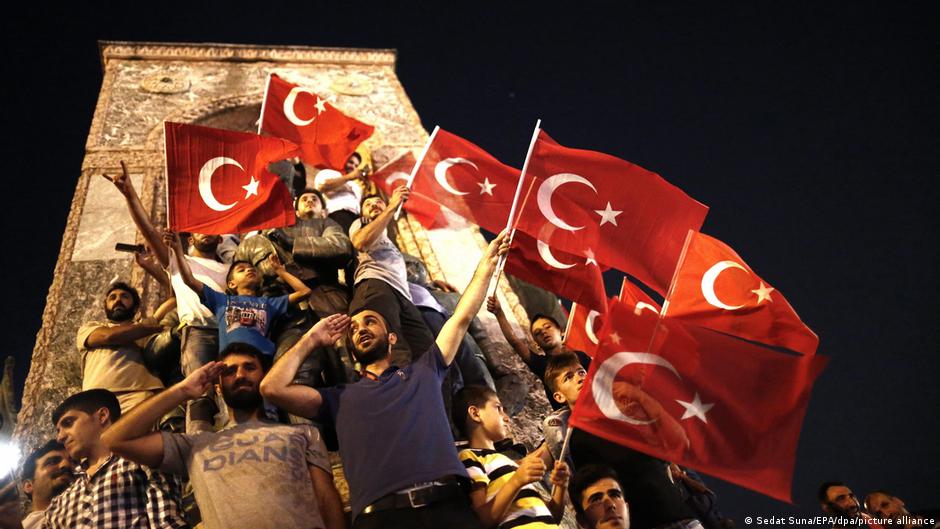
The events unfolded rapidly, beginning late in the evening with military units blocking key bridges in Istanbul and occupying strategic points in Ankara, including the parliament building and the headquarters of the state broadcaster TRT. President Erdogan, who was on vacation at the time, used a video call via a mobile phone to address the nation, urging citizens to resist the coup plotters by taking to the streets. This call to action proved crucial, as thousands of ordinary Turks, alongside loyal security forces, confronted the renegade soldiers, leading to violent confrontations.
Immediate Aftermath and Government Response
By the morning of July 16, the coup attempt had largely been quelled. The government swiftly declared a state of emergency, which remained in effect for two years, and initiated a widespread crackdown. Authorities attributed the coup attempt to the Gülen movement, a transnational religious and social movement led by Fethullah Gülen, a former ally of Erdogan who resides in self-imposed exile in the United States. Gülen vehemently denied any involvement in the coup, but the Turkish government designated his organization as a terrorist group (FETÖ) and launched an extensive purge across various state institutions.
The immediate response saw the arrest of thousands of military personnel, judges, prosecutors, civil servants, academics, and journalists. Tens of thousands more were dismissed from their positions. This large-scale purge was justified by the government as a necessary measure to eradicate those deemed to be infiltrators and sympathizers of the Gülen movement, ensuring the stability and security of the state. Critics, however, raised concerns about due process, human rights, and the potential for the crackdown to be used to suppress dissent and consolidate power.
Consolidation of Power and Constitutional Changes
In the years following the coup attempt, Turkey underwent significant political transformations. The failed coup provided the impetus for President Erdogan and his ruling Justice and Development Party (AKP) to push for a constitutional referendum in 2017, which successfully transitioned Turkey from a parliamentary system to an executive presidential system. This change significantly enhanced the powers of the presidency, allowing the head of state to appoint ministers, senior bureaucrats, and judges, and to issue decrees with the force of law. Supporters argued that this new system would provide greater stability and efficiency, while opponents warned of increased authoritarianism and a weakening of checks and balances.
The restructuring of the military was another key consequence. The armed forces, historically a powerful institution that had intervened in politics multiple times in previous decades, were brought more firmly under civilian control. This involved significant personnel changes and organizational reforms aimed at preventing future military interventions and ensuring loyalty to the elected government.
Impact on Society and International Relations
The societal impact of the 2016 events has been profound. The extensive purges created a climate of fear and self-censorship, particularly within the media and academia. Civil society organizations and opposition voices have faced increased pressure, leading to concerns about the erosion of democratic freedoms. The polarization within Turkish society, already a feature of the political landscape, intensified, with deep divisions emerging between government supporters and critics regarding the narrative and implications of the coup attempt.
Internationally, the failed coup and its aftermath strained Turkey's relations with several Western allies. Concerns were raised by the European Union and the United States regarding the scale of the crackdown, the state of emergency, and the perceived backsliding on democratic norms and human rights. Turkey, in turn, accused some Western nations of not showing sufficient solidarity and of harboring individuals linked to the Gülen movement, further complicating diplomatic ties. This period also saw Turkey increasingly pursue an independent foreign policy, at times diverging from traditional alliances and seeking new partnerships.
A Decade Later: Enduring Legacies
Ten years on, the 2016 coup attempt remains a defining event that continues to shape Turkey's trajectory. The executive presidential system is firmly in place, and the government maintains a vigilant stance against perceived threats, both internal and external. While the immediate crisis of the coup was overcome, the long-term consequences have fundamentally altered Turkey's political structure, social fabric, and geopolitical orientation, leaving an indelible mark on the nation's contemporary identity and future path.
Source: Original Article