
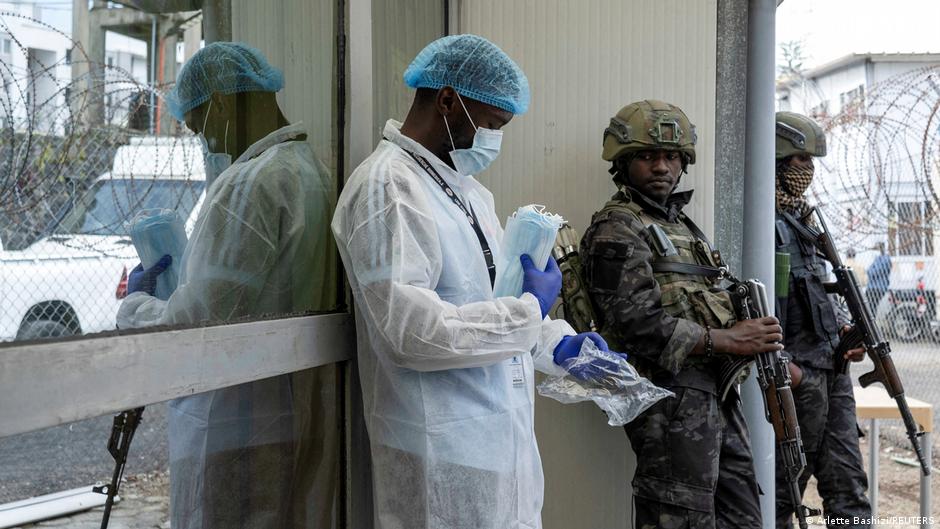
The Dire Intersection of Conflict and Contagion
The intricate relationship between armed conflict and the proliferation of infectious diseases presents a significant global health challenge. In areas engulfed by hostilities, the fabric of society, including its healthcare infrastructure and public health services, is often severely compromised or entirely destroyed. This degradation creates fertile ground for diseases to emerge, spread, and claim lives at an accelerated rate, far beyond what might be observed in stable environments. The consequences are particularly devastating for vulnerable populations, including women, children, and the elderly, who often bear the brunt of such crises.
Sudan: A Nation Under Siege, Battling Cholera
Sudan, a country already grappling with profound humanitarian challenges, faces an alarming surge in cholera cases. The ongoing conflict, which erupted in April 2023, has profoundly disrupted daily life, displacing millions and severely damaging essential services. Access to clean water, a fundamental pillar of public health, has become critically limited for vast swathes of the population. Sanitation systems, crucial for preventing waterborne diseases, have collapsed in many areas. Furthermore, the conflict has crippled Sudan's healthcare system; numerous hospitals and clinics have been destroyed, looted, or rendered inoperable. Medical supplies are scarce, and healthcare personnel, many of whom have fled the violence, are in short supply. The movement of displaced persons, often living in overcrowded and unsanitary conditions, further accelerates the transmission of cholera, turning localized outbreaks into widespread epidemics. Efforts by humanitarian organizations to deliver aid and establish treatment centers are frequently hampered by insecurity and access restrictions, making it exceedingly difficult to contain the disease effectively.
Yemen: A Protracted Crisis and Recurrent Cholera Epidemics
Yemen's protracted conflict has created one of the world's most severe humanitarian crises. For years, the nation has endured a relentless cycle of violence, economic collapse, and widespread food insecurity. The healthcare system, already fragile before the conflict, has been systematically dismantled. A significant portion of health facilities are non-functional, and those that remain operational often lack basic resources, including medicines, equipment, and staff. This systemic breakdown has paved the way for recurrent and devastating cholera epidemics. The destruction of water infrastructure, coupled with inadequate waste management and sanitation, means that contaminated water sources are often the only option available to communities. Malnutrition, rampant across Yemen, further weakens immune systems, making individuals more susceptible to diseases like cholera and increasing the severity of their illness. The inability to deliver timely and comprehensive medical care due to ongoing fighting and blockades exacerbates mortality rates, transforming treatable conditions into fatal ones.
Democratic Republic of Congo: A Battle Against Ebola Amidst Instability
In the eastern Democratic Republic of Congo (DRC), communities face the dual threat of armed conflict and deadly infectious diseases, most notably Ebola. The region has experienced multiple Ebola outbreaks, each made more complex and dangerous by the presence of numerous armed groups and persistent insecurity. The violence impedes the vital work of health responders, including vaccination campaigns, contact tracing, and safe burial practices. Healthcare workers and facilities have been targeted, creating a climate of fear and mistrust that discourages communities from seeking treatment or cooperating with public health initiatives. Displacement caused by conflict leads to population movements that can inadvertently spread the virus to new areas. The destruction of infrastructure and the disruption of governance structures further weaken the state's capacity to mount an effective public health response. In such an environment, containing a highly contagious and lethal disease like Ebola becomes an extraordinarily challenging endeavor, demanding not only medical intervention but also robust security and community engagement strategies.
The Broader Implications: Beyond the Immediate Conflict Zones
The challenges faced in Sudan, Yemen, and the DRC are illustrative of a broader pattern observed in conflict-affected regions globally. War not only directly causes casualties but also creates conditions that indirectly lead to widespread suffering and death through disease. The breakdown of public health systems, the displacement of populations, the destruction of infrastructure, and the erosion of trust in authorities all contribute to an environment where infectious diseases thrive. Addressing these intertwined crises requires a multifaceted approach that includes not only immediate humanitarian aid and medical intervention but also sustained efforts towards conflict resolution, peacebuilding, and the reconstruction of resilient health systems. International cooperation and adherence to humanitarian principles are paramount to mitigate the devastating impact of disease in these fragile settings and prevent further loss of life.
Source: Original Article