
Investigation Links Fast-Food Lettuce to Parasitic Illness
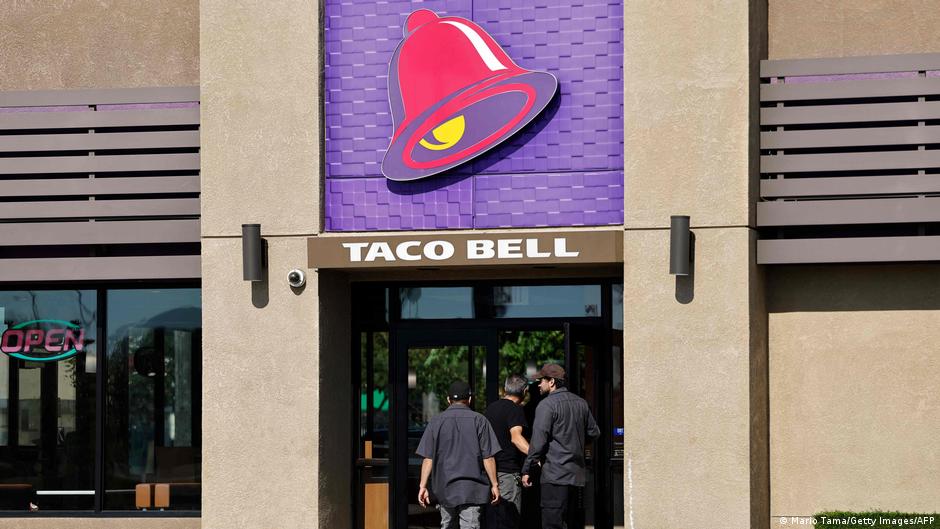
Health officials in the United States have identified a potential connection between iceberg lettuce distributed to Taco Bell establishments and a recent surge in cyclospora infections. This parasitic microorganism is recognized for inducing a range of unpleasant gastrointestinal symptoms, most notably severe, often described as 'explosive,' diarrhea. The ongoing investigation suggests that the contamination may not be confined solely to the implicated fast-food outlets, raising concerns about a broader public health risk.
Understanding Cyclospora and Its Impact
Cyclospora cayetanensis is a microscopic parasite that, when ingested, can lead to cyclosporiasis, an intestinal illness. The primary mode of transmission is through the consumption of contaminated food or water. Unlike some other foodborne pathogens, cyclospora requires a period of days to weeks outside the human body to become infectious, meaning direct person-to-person spread is unlikely. Symptoms typically manifest within one week of exposure, though they can appear earlier or later. Beyond the characteristic diarrhea, individuals may experience loss of appetite, weight loss, abdominal cramps, bloating, nausea, and fatigue. While most healthy individuals recover without long-term complications, the illness can be particularly debilitating for young children, the elderly, and those with compromised immune systems. Treatment usually involves specific antibiotics, and hydration is crucial to manage the effects of diarrhea.
Tracing the Contamination Source
The identification of iceberg lettuce as a potential vector in this outbreak underscores the complexities of food supply chains. Fresh produce, especially items consumed raw, presents inherent challenges in ensuring complete safety from parasitic and bacterial contamination. Agricultural practices, water sources used for irrigation, and handling procedures during harvesting, processing, and distribution all represent potential points where contamination can occur. Health agencies are diligently working to trace the origin of the contaminated lettuce, which involves collaborating with growers, distributors, and food service providers. This comprehensive approach is essential not only for containing the current outbreak but also for implementing preventative measures to mitigate future occurrences.
Broader Implications for Food Safety
The warning from health officials that the contamination could extend beyond Taco Bell is a significant aspect of this public health alert. This suggests that the implicated lettuce, or a portion of its supply, might have been distributed to other restaurants, grocery stores, or food service operations. Such widespread distribution complicates the containment efforts and necessitates a broader public awareness campaign. Consumers are advised to remain vigilant about food safety practices, including thoroughly washing all produce, even those pre-packaged as 'pre-washed.' While the exact scope of the contamination is still being determined, this situation highlights the interconnectedness of the food system and the potential for a single contaminated source to impact numerous consumers across different locations.
Public Health Response and Recommendations
In response to the outbreak, public health authorities are actively monitoring reported cases, conducting epidemiological investigations, and issuing guidance to both the public and the food industry. For individuals experiencing symptoms consistent with cyclosporiasis, seeking medical attention is recommended, as proper diagnosis and treatment are crucial. Healthcare providers are also being urged to consider cyclosporiasis in patients presenting with prolonged diarrhea, especially if they have consumed fresh produce recently. The food industry, in turn, is expected to review and reinforce its food safety protocols, particularly concerning the sourcing and handling of fresh produce. This incident serves as a stark reminder of the continuous need for robust food safety systems and transparent communication between public health bodies, the food industry, and the general public to safeguard consumer health.
Source: Original Article