
The Gathering at Evian: A Moment of International Indecision
In July 1938, a pivotal international gathering convened in Evian-les-Bains, France, with the stated purpose of confronting the burgeoning humanitarian crisis unfolding in Central Europe. The primary focus of this assembly, known as the Evian Conference, was the plight of Jewish individuals facing increasingly brutal persecution under the Nazi regime in Germany and, following the Anschluss, in Austria. Delegates from 32 nations, including the United States, Great Britain, France, and numerous Latin American countries, participated, alongside representatives from various humanitarian organizations. The urgency of the situation was undeniable; hundreds of thousands of Jews were desperately seeking refuge, their lives and livelihoods jeopardized by state-sanctioned discrimination, violence, and systematic oppression.
The Context: Escalating Persecution and the Search for Asylum
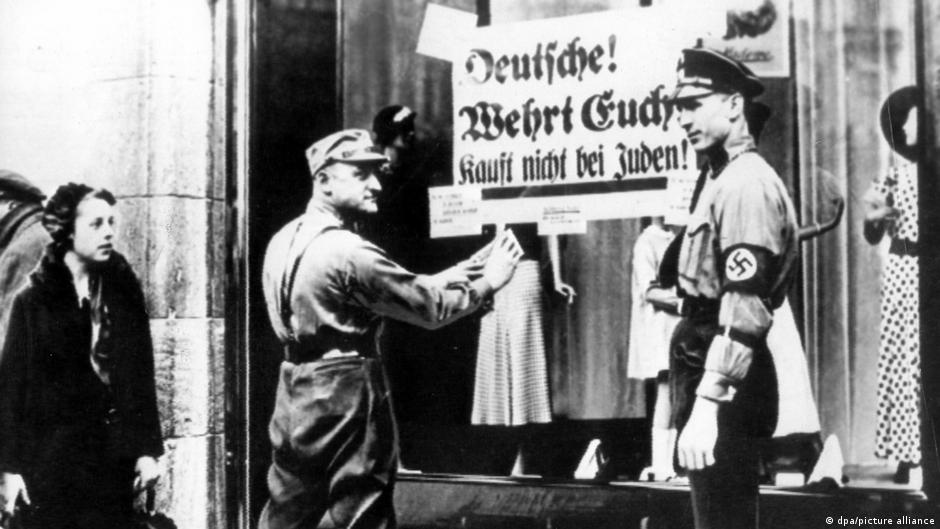
By 1938, the Nazi party’s policies against Jewish citizens had intensified significantly. Following the implementation of the Nuremberg Laws in 1935, which stripped Jews of their German citizenship and prohibited marriages between Jews and Germans, daily life for Jewish communities became increasingly untenable. Economic boycotts, public humiliation, and arbitrary arrests were commonplace. The annexation of Austria in March 1938 exacerbated the crisis, bringing hundreds of thousands more Jews under Nazi control and extending the reach of their discriminatory practices. As conditions deteriorated, the imperative to emigrate became paramount for many, yet avenues for escape were rapidly diminishing. Nations worldwide had begun to tighten their immigration policies, often citing economic depression and domestic unemployment as reasons to limit the intake of refugees.
Convening the Conference: Hopes and Realities
The impetus for the Evian Conference largely came from U.S. President Franklin D. Roosevelt, who, despite facing considerable isolationist sentiment at home, recognized the growing scale of the problem. Roosevelt aimed to foster international cooperation to find a solution for the refugee crisis, hoping to encourage participating nations to increase their immigration quotas. However, from the outset, the conference was hampered by significant limitations. The U.S. and Britain made it clear that they would not alter their existing immigration laws, effectively setting a precedent for other nations. Furthermore, Germany was not invited to the conference, and the discussions did not involve any direct negotiations with the persecuting power, limiting the scope of potential diplomatic solutions.
A Chorus of Excuses: The Reluctance to Offer Sanctuary
The proceedings at Evian quickly revealed a widespread reluctance among nations to accept substantial numbers of Jewish refugees. Delegate after delegate expressed sympathy for the victims but cited a litany of domestic challenges—economic hardship, high unemployment, and social integration difficulties—as barriers to increasing immigration. The British delegate, for instance, emphasized the strain on Palestine, then under British Mandate, and the need to maintain Arab goodwill. Australia’s representative famously declared, “As we have no real racial problem, we are not desirous of importing one.” Even countries in Latin America, some of which had previously been more open to immigration, presented stringent conditions or closed their doors almost entirely. The Dominican Republic was a notable exception, offering to resettle up to 100,000 refugees, though ultimately only a fraction of that number ever arrived.
The Aftermath and Long-Term Implications
The Evian Conference concluded after eight days with little tangible progress. While a resolution was passed establishing the Intergovernmental Committee on Refugees (IGCR) to work towards a long-term solution, it lacked any real authority or commitment from member states to increase immigration quotas. The failure of the international community to act decisively sent a chilling message to Nazi Germany, effectively confirming Hitler's belief that no one truly cared about the fate of the Jews. This outcome emboldened the Nazi regime, suggesting that their policies of persecution and expulsion would meet with little international resistance. Historians often point to Evian as a tragic missed opportunity, a moment when the world could have collectively intervened but instead chose inaction, inadvertently paving the way for the horrific events of the Holocaust that would follow. The conference underscored the profound moral failure of the international community to provide safe haven to those desperately fleeing genocide.
Source: Original Article