From Iron Curtain to Ecological Haven
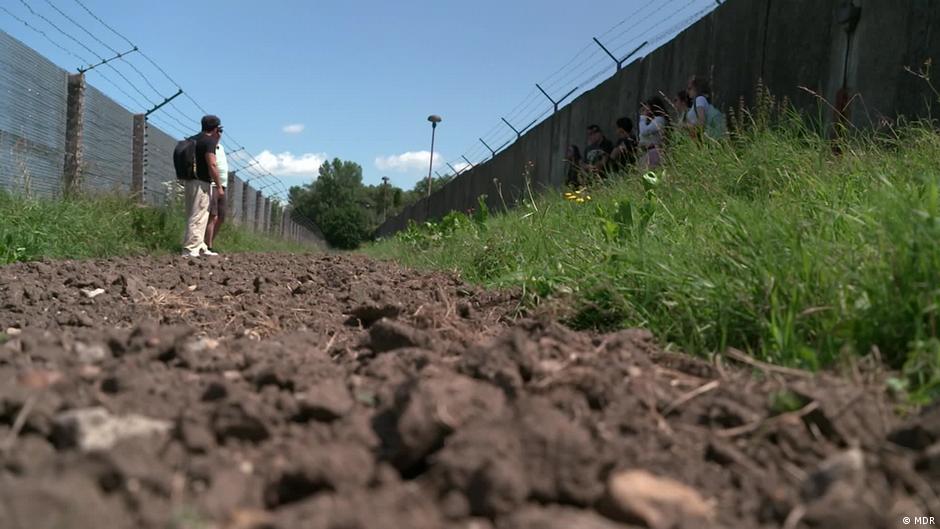
For over four decades, the border dividing East and West Germany stood as a stark symbol of political division, a heavily fortified and militarized zone known as the Iron Curtain. This approximately 1,400-kilometer-long strip, characterized by fences, watchtowers, and cleared land, was a barrier to human movement and a place of immense tension. However, the very measures that made it a 'death strip' for people inadvertently created an undisturbed refuge for nature. Today, this unique landscape has undergone a remarkable transformation, evolving into Germany's 'Green Belt' – a vital ecological corridor and a testament to nature's resilience.
This extensive stretch of land, largely untouched by agriculture, urban development, or intensive forestry for much of the Cold War era, has become a haven for a diverse array of flora and fauna. The absence of human intervention allowed natural processes to reclaim the land, fostering habitats that are now critical for numerous species facing decline elsewhere. The Green Belt represents one of Europe's most significant ecological success stories, demonstrating how even the most politically charged landscapes can, given time and protection, revert to thriving natural environments.
A Sanctuary for Endangered Species
The ecological value of the Green Belt is immense, particularly for endangered species. The unique conditions along the former border — including open grasslands, wetlands, forests, and heathlands — have created a mosaic of habitats. These diverse ecosystems support a wide range of biodiversity, from rare insects and amphibians to birds of prey and large mammals. Species that have struggled in other parts of Germany due to habitat loss and fragmentation have found refuge and breeding grounds within this protected corridor.
Among the notable inhabitants are species like the red-backed shrike, a bird that thrives in the mosaic landscapes of shrubs and open areas, and various rare orchid species that flourish in the undisturbed meadows. The presence of numerous bat species, amphibians such as the fire-bellied toad, and various types of butterflies underscores the rich invertebrate and vertebrate life that has taken hold. The Green Belt also acts as an important migration corridor, allowing species to move between different regions, thereby enhancing genetic diversity and population health. This continuous stretch of natural and semi-natural habitats is crucial for maintaining ecological connectivity across central Europe.
Political Recognition and Ongoing Preservation Efforts
The ecological significance of the Green Belt has not gone unnoticed by political leaders. Recently, Environment Minister Carsten Schneider undertook a visit to the region, highlighting the government's commitment to its preservation and further development. Such visits serve to raise public awareness and underscore the importance of continued conservation efforts. The transformation from a division line to a symbol of unity and natural heritage is a powerful narrative that resonates with both environmentalists and the broader public.
The protection of the Green Belt involves a collaborative effort between governmental bodies, environmental organizations, and local communities. Various initiatives are underway to manage the land sustainably, ensuring that its ecological value is maintained while also allowing for compatible human activities, such as nature tourism and education. These efforts include habitat restoration projects, monitoring programs for key species, and the acquisition of private land to expand the protected area. The long-term vision is to integrate the German Green Belt into a larger European Green Belt initiative, extending this ecological network across the continent along the former Iron Curtain.
The Enduring Legacy of an Unexpected Wilderness
The Green Belt serves as a powerful reminder of how historical events can inadvertently shape the natural world. What was once a scar on the landscape, a zone of fear and separation, has become a vibrant tapestry of life, offering invaluable lessons in ecological restoration and the intrinsic value of undisturbed nature. It stands as a living monument not only to Germany's reunification but also to the remarkable ability of ecosystems to recover and flourish when given the opportunity.
As environmental challenges such as climate change and biodiversity loss continue to intensify, the Green Belt provides a compelling model for conservation. Its success story inspires hope and demonstrates the potential for creating extensive ecological networks that benefit both wildlife and human well-being. The ongoing commitment to its protection ensures that this unique wilderness will continue to thrive for generations to come, symbolizing peace, ecological resilience, and the enduring power of nature.
Source: Original Article