Understanding Heat-Related Mortality in Germany
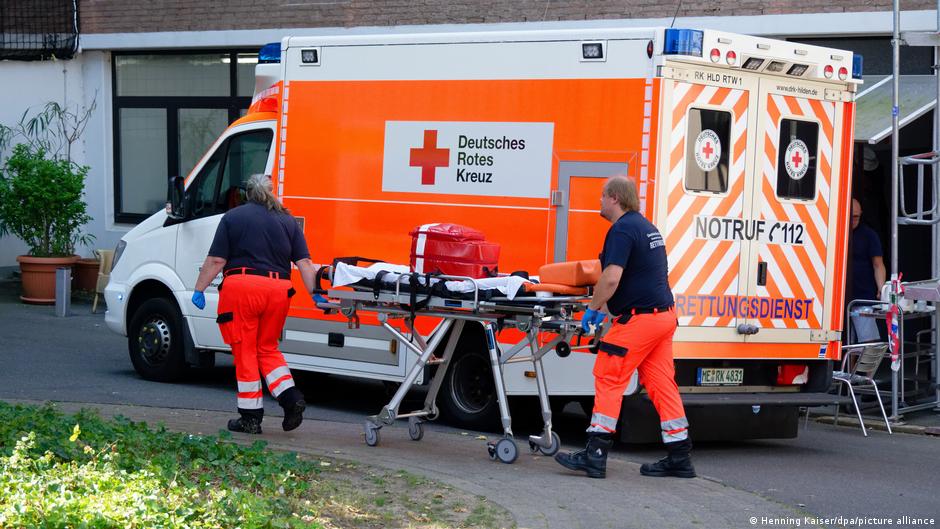
The Robert Koch Institute (RKI) has released data indicating that over 5,100 individuals in Germany succumbed to heat-related causes by the end of June this year. This statistic underscores a growing public health concern, prompting questions about how such fatalities are identified and attributed to high temperatures. The methodology behind these figures is crucial for understanding the true impact of heatwaves on population health.
Defining Heat-Related Deaths
Attributing a death directly to heat can be complex. Unlike immediate causes such as traffic accidents, the effects of heat often exacerbate pre-existing conditions, leading to a fatal outcome. For instance, extreme heat can strain the cardiovascular system, leading to heart attacks or strokes in vulnerable individuals. It can also worsen respiratory illnesses, kidney problems, and neurological disorders. The RKI’s approach involves analyzing mortality data in conjunction with temperature records, looking for statistical correlations between periods of elevated temperatures and an increase in deaths that cannot be explained by other factors.
Researchers typically employ statistical models to estimate excess mortality during heatwaves. This involves comparing the number of deaths observed during hot periods with the average number of deaths expected during the same period in years with normal temperatures. The difference is then considered heat-related excess mortality. This method acknowledges that while a death certificate might list a specific medical condition as the cause, the heat acted as a significant contributing factor, accelerating or triggering the event.
Vulnerable Populations
Certain demographic groups are disproportionately affected by extreme heat. The elderly, particularly those over 75, are at higher risk due to physiological changes that impair the body's ability to regulate temperature, as well as a higher prevalence of chronic diseases. Infants and young children also face increased vulnerability because their thermoregulatory systems are not fully developed. Individuals with chronic illnesses such as heart disease, diabetes, and respiratory conditions are particularly susceptible. Furthermore, people experiencing homelessness, outdoor workers, and those living in poorly insulated housing without air conditioning are often at greater risk due to prolonged exposure and limited access to cooling resources.
Socioeconomic factors also play a role. Lower-income individuals may live in areas with fewer green spaces and more heat-absorbing surfaces (the 'urban heat island effect'), and may lack the financial means to afford air conditioning or seek cooler environments. Understanding these vulnerabilities is critical for developing targeted public health interventions.
The Role of Urban Planning and Infrastructure
Urban environments often experience higher temperatures than surrounding rural areas, a phenomenon known as the urban heat island effect. This is due to the abundance of heat-absorbing materials like concrete and asphalt, limited green spaces, and heat generated by human activities. Effective urban planning, including increasing green infrastructure such as parks and tree-lined streets, can mitigate this effect. Implementing 'cool roofs' and 'cool pavements' that reflect sunlight rather than absorbing it can also help reduce ambient temperatures.
Furthermore, access to cool public spaces, such as air-conditioned community centers or libraries, becomes vital during heatwaves. Ensuring that public transportation systems can accommodate increased ridership to these cooling centers is also important. Infrastructure improvements that prioritize energy efficiency and thermal comfort in buildings can also reduce heat-related health risks, especially for vulnerable populations.
Public Health Strategies and Prevention
In response to rising heat-related mortality, public health agencies are developing and implementing various strategies. These include early warning systems that alert the public and healthcare providers to impending heatwaves, allowing for preparatory measures. Public awareness campaigns educate individuals on how to stay cool, hydrated, and recognize symptoms of heat-related illnesses. Recommendations often include drinking plenty of water, avoiding strenuous activity during peak heat hours, and staying in air-conditioned environments.
Healthcare professionals are also being trained to identify and manage heat-related conditions more effectively. Policies that support caregivers of the elderly and chronically ill during hot weather are crucial. Long-term strategies involve adapting urban environments to be more resilient to extreme temperatures, fostering community support networks, and integrating climate change considerations into public health planning. These multifaceted approaches are essential for minimizing the human cost of rising global temperatures.
Source: Original Article