
Shifting Energy Landscapes: Solar Gains Ground in the US
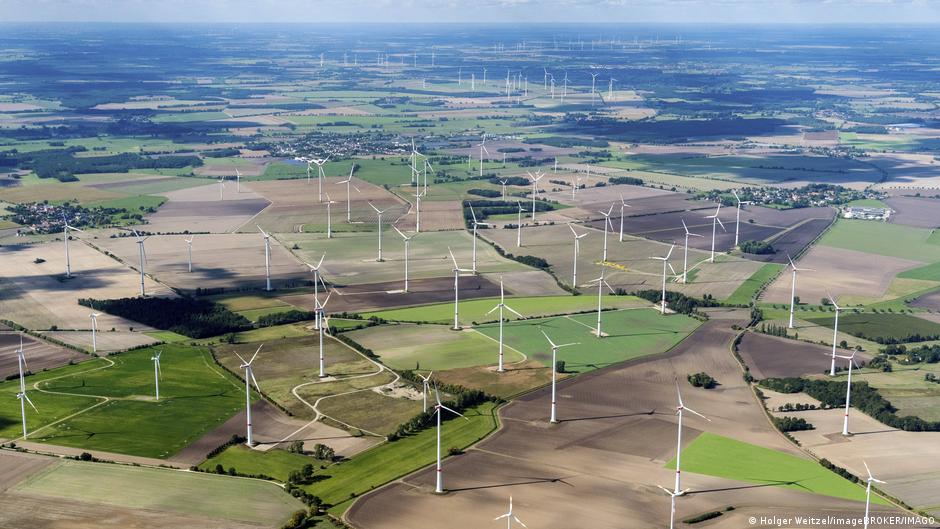
The United States energy sector is witnessing a significant transformation, with renewable sources steadily increasing their contribution to the national grid. Despite historical reliance on fossil fuels and recent governmental support for the coal industry, cleaner alternatives are demonstrating their growing viability. Over the past decade, coal's dominance has been challenged by the economic competitiveness of natural gas and nuclear power. More recently, solar energy has emerged as a substantial player, achieving a notable milestone in May 2026 by surpassing coal's share in the US energy mix for the first time on record. During this period, coal's contribution fell to approximately 12% of the total energy supply, marking one of its lowest monthly shares ever. This shift underscores a broader trend where wind and solar power are progressively closing the gap on traditional fossil fuel sources across the country, indicating a pivotal moment in the nation's energy transition.
Electric Vehicles Surge Past Projections Globally
The global market for electric vehicles (EVs) is experiencing unprecedented growth, consistently exceeding previous forecasts. In just six years, worldwide EV sales have increased tenfold, with May 2026 data indicating that electric vehicles constituted 63% of all new cars sold internationally. This rapid adoption is led by countries like China, which has been at the forefront of EV integration. Beyond major economic powers, nations in Africa are also making significant strides. Ethiopia, for instance, has demonstrated remarkable progress since implementing a ban on combustion-engine imports in 2024. This policy has led to an almost quadrupling of its electric vehicle fleet, now exceeding 100,000 vehicles. Crucially, these vehicles are powered almost entirely by the country's abundant and affordable hydropower resources, showcasing a sustainable model for transportation electrification in the region. The increasing prevalence of charging infrastructure and EV usage is becoming an integral part of daily life on Ethiopian roads, reflecting a broader global movement towards sustainable transport solutions.
Revitalizing Arid Lands: Soil Regeneration in Kenya
In regions facing environmental challenges such as water scarcity and degraded land, innovative approaches to soil regeneration are proving effective. On Kenya's Kiwayu island, where freshwater is limited and the ground is predominantly sandy, agricultural prospects have historically been bleak. However, through the pioneering work of soil microbiologist Su Kahumbu, these barren lands are being brought back to life. Her methodology focuses on rebuilding fertile soil by integrating microorganisms, organic waste, and advanced moisture retention techniques, thereby reducing the reliance on artificial fertilizers. The initial outcomes of these efforts are already visible, with trees and various crops, including beans, successfully taking root in previously infertile ground. The success of these techniques has led to their expansion, with similar methods now being trialed in urban areas to remediate polluted soils, offering a promising solution for ecological restoration in diverse environments.
Community-Led Environmental Action: Women Combat Coal Dust in India
While metropolitan areas like Delhi frequently draw attention for India's air pollution crisis, the severity of air quality in industrial mining towns often goes underreported. In places like Bokaro, located in the state of Jharkhand, the environmental impact of coal production is particularly acute. With annual coal output exceeding 200 million metric tons, residents are constantly exposed to high levels of coal dust, leading to a significant increase in respiratory illnesses. When official responses to this environmental hazard proved insufficient, local women stepped forward to initiate change. These women, trained as 'Paryavaran Sakhis' or 'friends of the environment,' have taken on the critical role of monitoring pollution levels, identifying hazardous hotspots, and advocating for accountability from authorities. Their proactive engagement represents a powerful example of community-led environmental activism, demonstrating how local initiatives can address pressing ecological challenges and improve public health outcomes in affected regions.
Source: DW