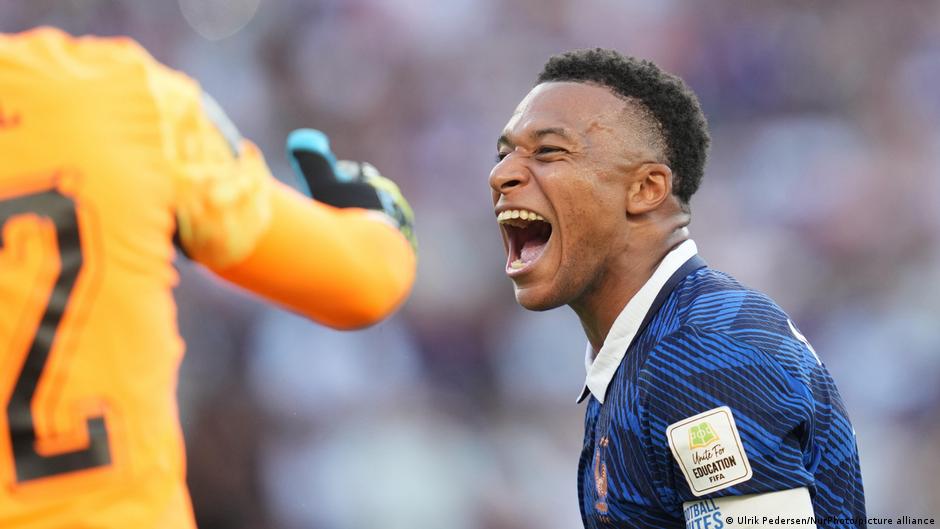
Outcry Over Discriminatory Remarks
Recent racially charged statements made by a Paraguayan lawmaker concerning French football star Kylian Mbappé have ignited a significant international controversy. The remarks, which have been widely criticized for their discriminatory nature, have led to swift and decisive responses from various official bodies and prominent figures, underscoring the global intolerance for racism in sports and public discourse.
The incident began when a senator from Paraguay reportedly uttered offensive and racist insults directed at Mbappé. These comments quickly circulated, drawing immediate and strong condemnation from numerous sectors. The nature of the remarks has not only sparked outrage among fans and the general public but has also prompted formal actions from institutions dedicated to combating racism and promoting equality.
French Football Federation Takes Legal Stance
In response to the egregious comments, the French Football Federation (FFF) has announced its intention to pursue legal action. This move by the FFF signals a firm commitment to protecting its players from racist abuse and upholding the principles of respect and dignity within the sport. The federation's decision to resort to legal measures highlights the seriousness with which such incidents are viewed and the determination to hold individuals accountable for their discriminatory actions.
The FFF's stance is consistent with a broader trend in sports organizations globally to take a more proactive and stringent approach against racism. Such legal interventions aim not only to address specific instances of abuse but also to send a clear message that racist behavior will not be tolerated, regardless of the perpetrator's position or influence. This action is expected to involve a thorough investigation and potential prosecution, setting a precedent for similar future incidents.
President Macron Expresses Solidarity
Adding significant weight to the condemnation, French President Emmanuel Macron has publicly voiced his support for Kylian Mbappé. The President's intervention underscores the national importance of the issue and the collective rejection of racism at the highest levels of government. Macron's expression of solidarity with Mbappé serves to reassure the footballer of national backing and reinforces the message that France stands united against racial discrimination.
Presidential support in such matters is crucial, as it elevates the conversation beyond the realm of sports and into the broader societal context of human rights and equality. It also demonstrates a commitment to defending French citizens, particularly those who represent the nation on the international stage, from unwarranted and prejudiced attacks. This high-level endorsement is likely to further amplify the call for accountability and justice in this case.
Broader Implications for Sports and Society
This incident transcends a mere exchange of words; it brings to the forefront the persistent challenges of racism that continue to plague various aspects of society, including professional sports. Despite ongoing efforts to promote diversity and inclusion, athletes of color frequently face discriminatory remarks and actions, both on and off the field. Such events serve as stark reminders that the fight against racism is far from over and requires continuous vigilance and action.
The international reaction to the Paraguayan senator's comments also highlights the interconnectedness of global communities and the shared responsibility to challenge prejudice wherever it emerges. When public figures engage in racist discourse, it not only harms the targeted individual but also perpetuates harmful stereotypes and fosters an environment of intolerance. Therefore, the robust and unified response from football authorities, government leaders, and the public is essential in combating such detrimental narratives.
Furthermore, this situation may prompt a reevaluation of existing protocols and sanctions for racist behavior in political and public spheres. While sports organizations have developed mechanisms to address racism, similar frameworks might need strengthening in governmental and diplomatic contexts to ensure that individuals in positions of power are held to the same, if not higher, standards of conduct. The incident serves as a critical opportunity for reflection and reform, aiming to cultivate a more respectful and equitable global environment for all.
Source: Original Article