
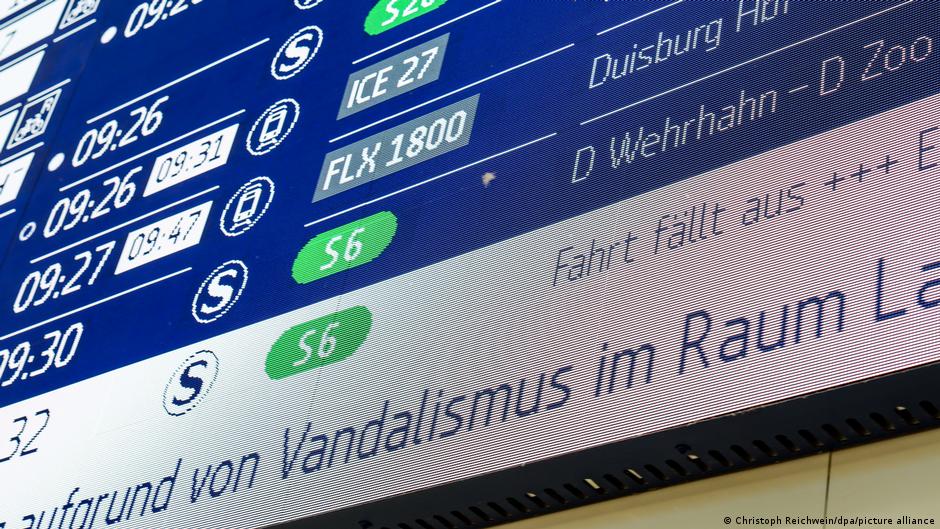
Arson Attack Disrupts German Rail Network
A recent incident involving railway infrastructure in Germany has drawn attention following a claim of responsibility by an activist group. The 'Angry Birds Commando,' a self-proclaimed left-wing organization, has stated it was behind an arson attack that affected a rail line connecting the significant urban centers of Cologne and Düsseldorf. This claim, if substantiated, points to a deliberate act of sabotage with stated environmental objectives.
The alleged perpetrators communicated their motives, asserting that the act was a protest against what they perceive as the detrimental impact of industrial technology on the natural environment. Such actions, while disruptive, often aim to draw public and political attention to specific grievances, in this case, ecological concerns.
Details of the Incident
While specific details regarding the extent of the damage or the precise nature of the incendiary devices used were not immediately available, the group's statement indicated that these devices were strategically placed on the railway line. The selection of a route between Cologne and Düsseldorf is notable, as this corridor represents a vital artery within Germany's extensive rail network, facilitating both passenger and freight transportation. Any disruption to such a critical link can have cascading effects, leading to delays, rerouting, and potential economic impacts.
German authorities are expected to investigate the claim thoroughly to ascertain its veracity and to identify those responsible. Acts of sabotage on public infrastructure are treated with significant gravity due to their potential to endanger lives, cause substantial economic losses, and undermine public confidence in essential services.
The 'Angry Birds Commando' and Its Ideology
The name 'Angry Birds Commando' itself suggests a certain level of defiance and perhaps a nod to popular culture, potentially aimed at garnering attention or symbolizing their perceived fight against larger, more powerful entities. The group's stated motivation – the destruction caused by industrial technology to the environment – aligns with certain radical environmentalist ideologies that advocate for direct action, sometimes including property destruction, to achieve their goals. These groups often believe that conventional political channels are insufficient or too slow to address what they view as urgent environmental crises.
Such groups often operate clandestinely, making it challenging for law enforcement to track their activities and prevent incidents. Their communiqués, typically released through specific channels, serve not only to claim responsibility but also to articulate their philosophical underpinnings and to inspire others who may share similar views.
Broader Context of Environmental Activism
This incident occurs within a broader global context of escalating environmental activism. While many environmental groups engage in peaceful protest, lobbying, and public awareness campaigns, a smaller fringe sometimes resorts to more extreme tactics, including acts of vandalism or sabotage. The motivations for such actions are varied but often stem from a deep-seated frustration with the pace of climate action, the perceived inaction of governments and corporations, and a belief that more drastic measures are necessary to protect the planet.
The debate around the legitimacy and effectiveness of such tactics is ongoing. Proponents argue that direct action can force issues onto the public agenda and create urgency, while critics contend that such actions are counterproductive, alienate potential allies, and can lead to criminal charges without achieving their stated goals. Furthermore, acts that disrupt public services or endanger individuals are widely condemned, regardless of the cause.
Impact on Public Services and Security
Disruptions to critical infrastructure, such as railways, have significant implications for public services and national security. Beyond the immediate inconvenience to travelers and businesses, such incidents can prompt a review of security protocols and infrastructure vulnerability. Authorities must balance the need for open and accessible public transport systems with the imperative to protect them from malicious acts.
The incident between Cologne and Düsseldorf underscores the persistent challenges faced by security agencies in monitoring and mitigating threats from various ideological groups, including those driven by environmental concerns. The investigation will likely involve forensic analysis of the scene, intelligence gathering, and potentially a broader assessment of similar threats across the country.
Source: Original Article